
























































1MG FlippingBooks
Interview with Michael Jeffery, National Advocate For Soil Heath
Staff writers
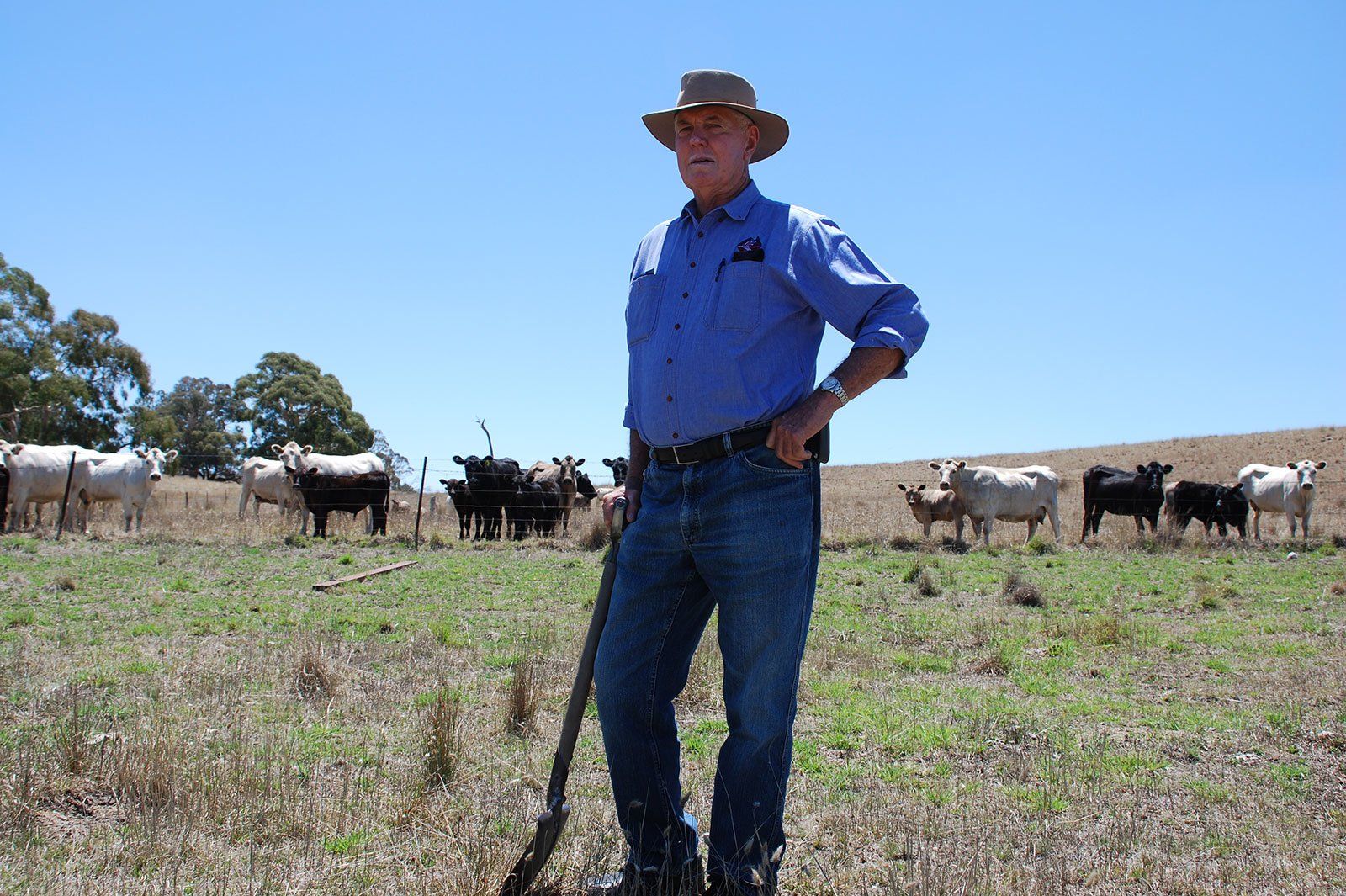
Major-General Michael Jeffery, the former Governor General and also the patron of The Australian Farmer project, has released his third report as Australia’s National Advocate for Soil Health.
The report, titled ‘Restore the Soil: Prosper the Nation’, focuses on the importance of soil to Australia’s farmers and food supply and declares that immediate action is needed to implement and encourage sustainable management practices in order to ensure agricultural productivity. General Jeffery suggests that Australia’s water, soil and vegetation assets should be made key national strategic assets and managed in an integrated way. You can read the report in full here, and a summary of the key recommendations here.
We recently spoke to General Jeffery about the report, the state of soil health in Australia and his ideas for the future.
TAF : What is the core message of your most recent report into soil health?
MJ : “The core message is to have the government agree to a national policy to restore and maintain the health of the national agricultural landscape. That is the key objective, because if we get that as a national policy, to restore that landscape is degraded and maintain 60 per cent of the continent at healthy, sustainable levels, that will be a marvellous objective to reach. We want to put systems in place where every farmer adapts to regenerative agricultural practices and really understands the integrated management of plants, soil and water, so that we rebuild or continue to build our soil health and resilience.
“We’ve done a lot of work behind the scenes and I’ve spoken to roughly 6,000 farmers in the last three or four years, talking about all those messages. I think we have to use every channel of communication, whether it’s to the public, the politicians, the farmers or to departmental agencies. All those avenues have got to be utilised, and each with perhaps a different means of attack, but fundamentally giving the same message about the importance of soil health.
TAF : What does the future look like if we don’t enact these changes?
MJ : “It would be grim. The point we are making is that the next great global issue is going to be regarding soil, water and food security. Agricultural land availability around the world is decreasing at the rate of about 1 per cent per year, yet we’ve got to feed probably 10 billion people by 2050. We already have water shortages, decreasing land availability and the increasing degradation of soil health because of overuse of chemicals and pesticides, so that’s a huge global problem that is only going to get bigger.
“What it does for Australia though, is to provide a big opportunity. If we get our act together properly in how we manage our landscapes, then we might be able to produce a bit more food, but more importantly export knowledge. If we doubled our food production tomorrow, we might feed 100 million people. But if we export our knowledge, we might help to feed 1 billion. That, I think, is a very telling point to make.”
TAF : What do we need to change in order to repair our soils?
MJ : “I think from the political perspective, people are always saying that Australian farmers are the best in the world. And I think we are very innovative, especially given we have some of the most worn out and least-fertile soils on the planet. How we managed to work that over the last couple of hundred years has obviously been a big success story in an economic sense, but I think now we have to do the stocktake in terms of the result and consider what have we actually been doing to our soil and water assets.
“I think that while we do have very smart farmers and very good science, by and large we have been mining our soils rather than building them up. We have been losing too much water to evaporation – about 50 per cent of our rainfall – when we want that rainfall actually filtrating into the soil. And for the most part, it can’t get into the soil because of insufficient soil carbon. The soil is compacted, or it’s running off because it doesn’t have sufficient top cover and that then erodes the streams. The streams then flow below the floodplains and take a lot of topsoil out to sea.
“Those things have to be corrected. Bit by bit we’re doing it, but we need to put a more cohesive effort into it. There should be a greater national priority in terms of support for farmers when they want to get their streams back in order, repair their riparian zones, rehydrate their wetlands, plant trees on the ridges or whatever it might be. Rather than farmers carrying the whole debt burden when they do these tasks by themselves, I think they need support. Our farmers act as custodians for half the continent on behalf of all of us as Australians, so all urban Australians need to take a far greater interest and provide far greater support to those 120,000 custodians of our agricultural land.”
TAF : Is there a particular recommendation from your report that you think is the most important to be enacted?
MJ : “I’m very keen to get the school garden concept up and running. What we recommend in the report is that a garden be established in every primary and high school in the country. In addition, this would come with an educational component agreed through the national curriculum council that by the time every child reaches the age of 16, they would have knowledge of not just how to produce healthy food and how to prepare it, but the processes by which that food is grown.
“If we’re able to get every child onside for that, we will have a far better chance of reconnecting urban and rural Australia. People will become a lot healthier and it will reduce the cost of the health budget. Our farmers will be better supported, we will pay a fair price for food and we will get the landscape regenerated because everybody will know not only that it’s got to be done, but how it should be done. If we got this concept of a school garden in every school through to policy, that wouldn’t be a bad achievement. Of course, I’m hoping to get a lot of other things through as well.”
NEWS
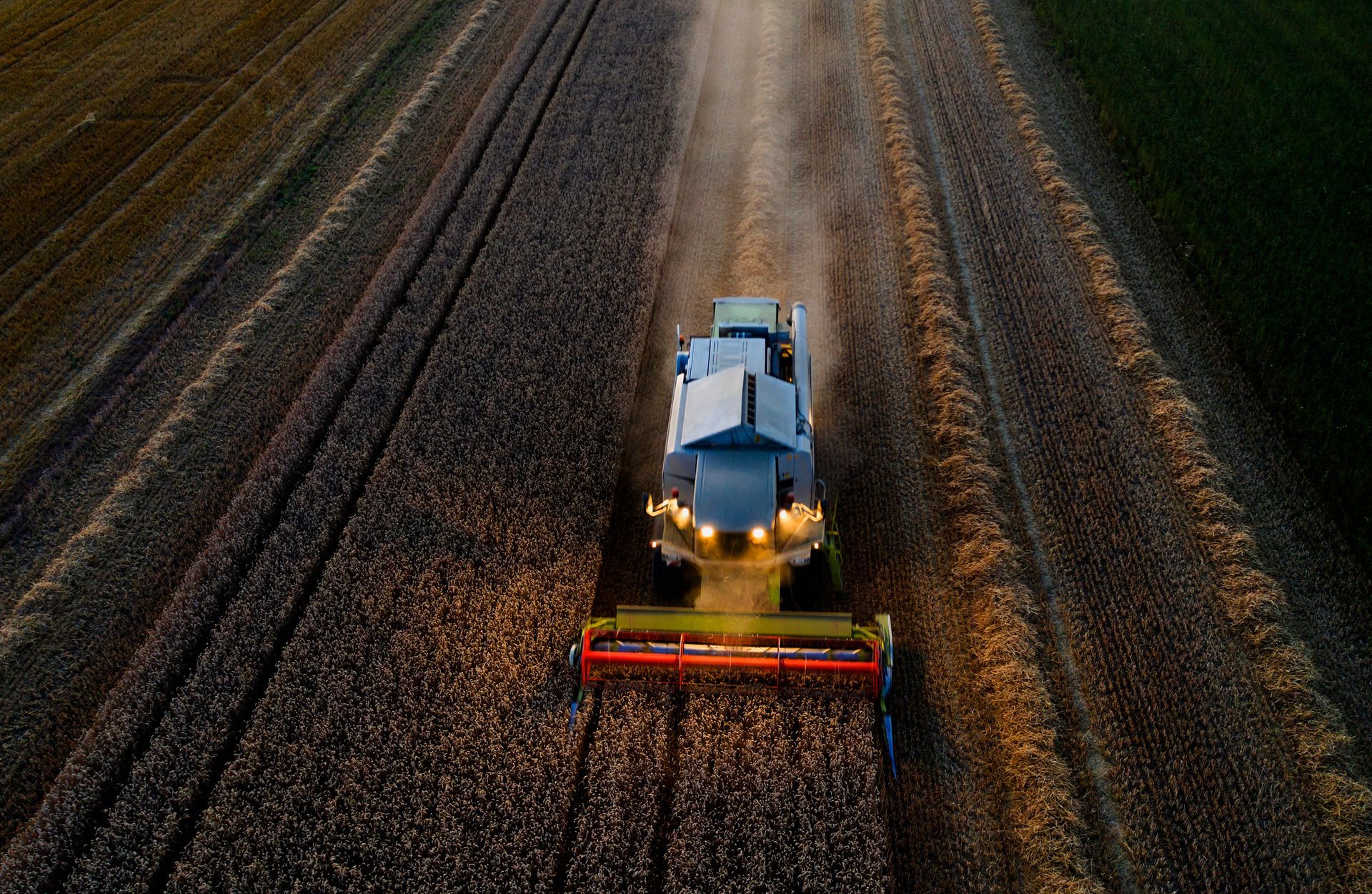
High-precision GNSS has typically been too costly and complex for all but the most critical agricultural operations, but recent RTK GNSS innovations have made centimetre accuracy scalable to all applications in Ag-Tech.
Every Aussie farmer knows that the difference between a “good” crop and a “record-breaking” one often come down to the smallest details. At BioFlora, we’ve spent years perfecting the balance of plant nutrition, and the result is IsoGreen – our powerhouse liquid formula designed to push your yields and crop taste to their absolute peak.
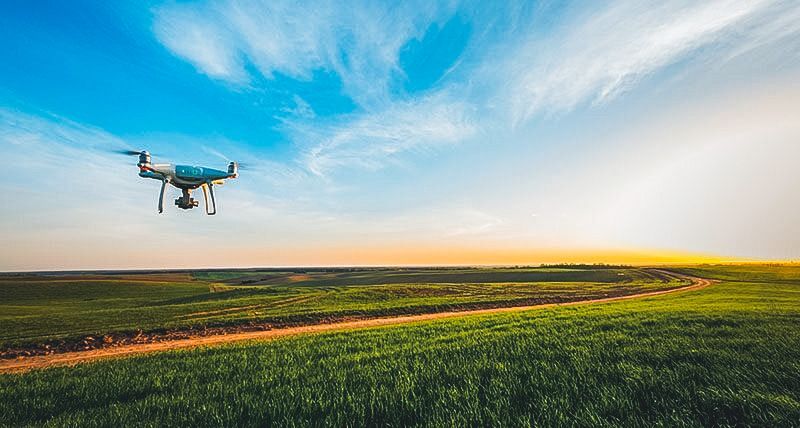
Plant, spray and harvest with confidence using reliable centimetre level positioning. Hexagon SmartNet provides fast, accurate RTK corrections across Australia to reduce overlaps, lower input costs and maximise productivity. With no base station required, simply connect, get a fix and get to work.

Built for the demand of Aussie farmers. Designed for every day performance.
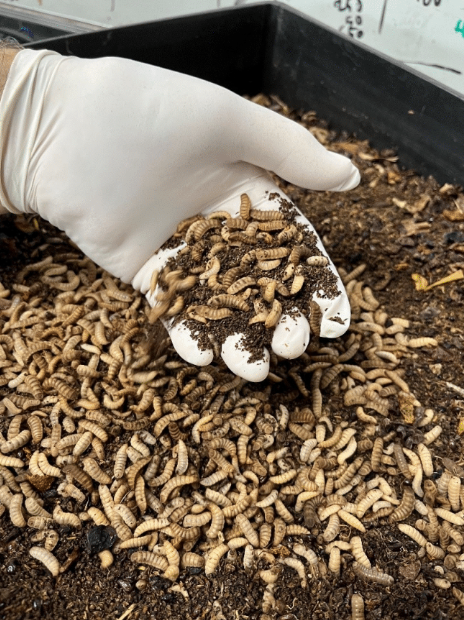
They’re wriggly black grubs more commonly tossed to backyard hens than served at the dinner table, but black soldier fly larvae could soon play a key role in building a more sustainable food system, according to new research from Adelaide University.
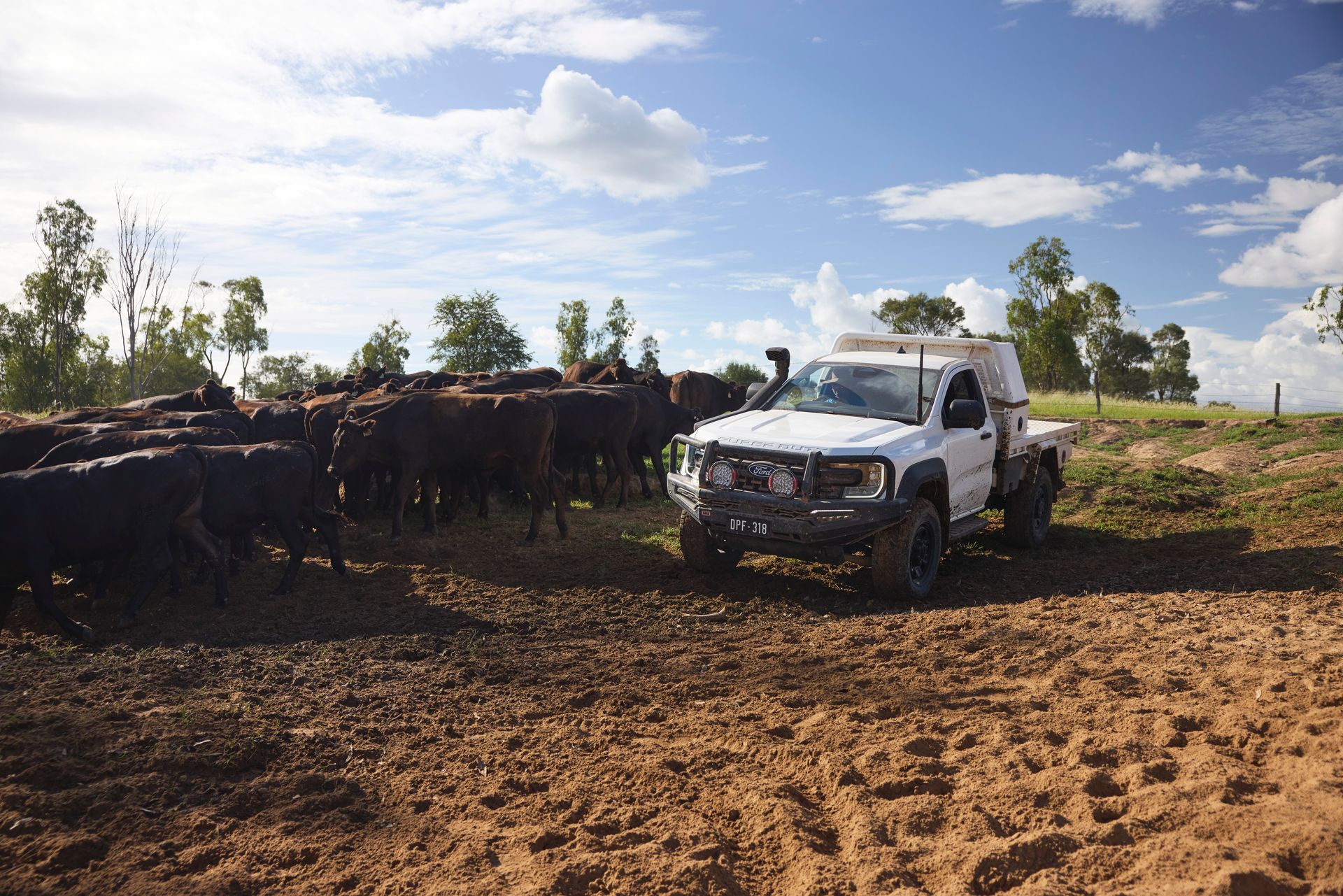
After four years of customer research and 500,000 test kilometres, Ford says the Ranger Super Duty brings farmer-driven customisation into the factory, with more towing, payload, and durability built in.