














































1MG FlippingBooks
Modern 4WD design means rural Aussies need to accessorise
Staff writers
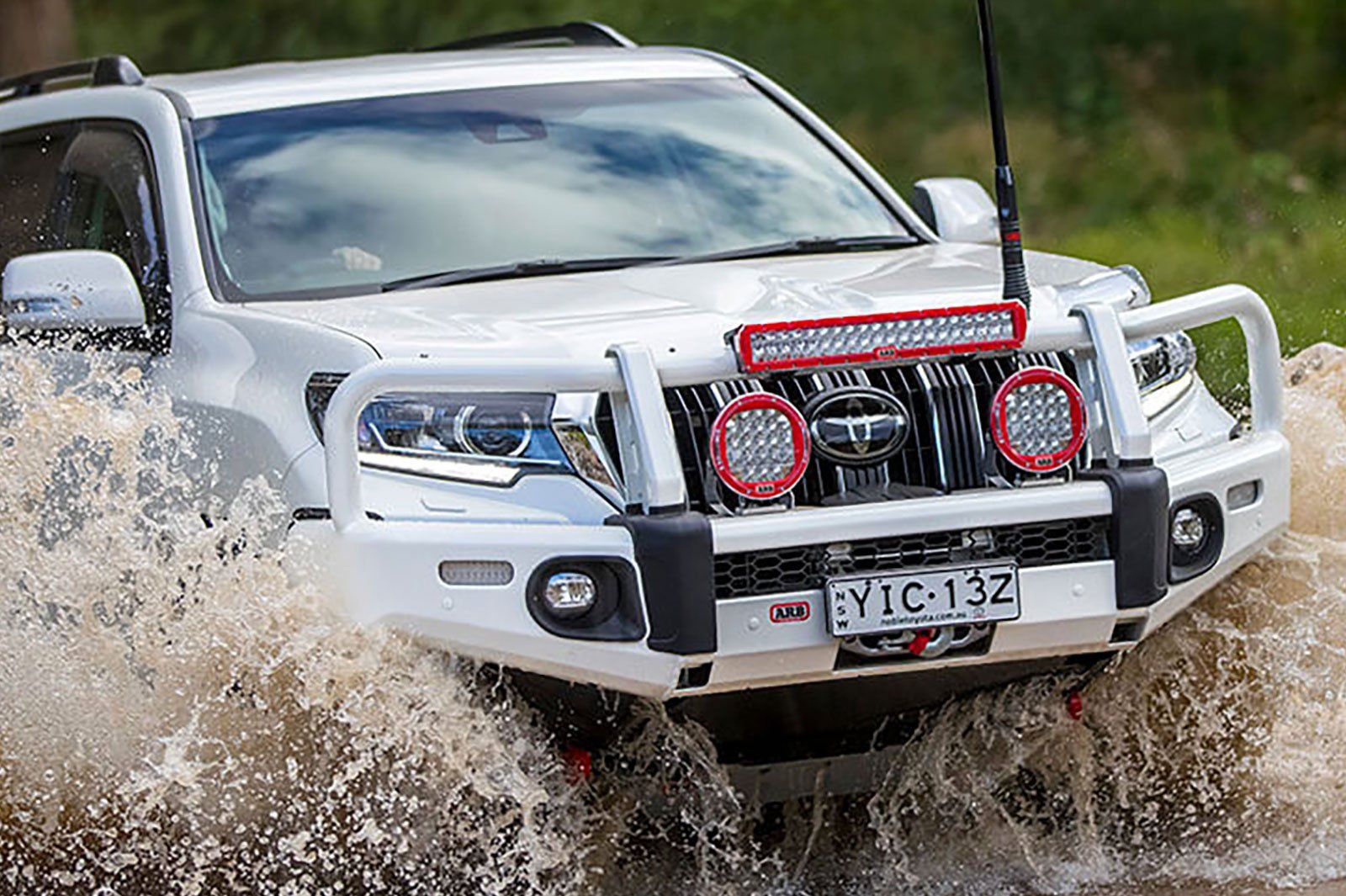
We recently spoke with Matt Frost – National Sales and Marketing Manager at 4WD accessories manufacturer ARB – about the changing needs of rural Australian ute and 4WD owners and the most popular accessories in the market in light of the standardisation of global car design.
As technology brings us closer together than ever before, vehicle design has become standard across the world as car companies strive to reduce margins and stay competitive. While this has many benefits for the Australian driver in terms of price and features, for farmers and those in rural areas it means work vehicles now need to be customised beyond the factory settings to survive and thrive in challenging outback conditions.
“The 4WDs we get these days are less rugged than the vehicles we were getting 20 years ago,” says Matt. “More and more cars are coming out with designs that give a better ride, but don’t necessarily improve protection or load-carrying characteristics.”
This has led to a booming vehicle accessories market in Australia, as owners have a genuine requirement to attach extra features – such as a bull bar or modified suspension system – to their vehicles so they can perform day-to-day travel and tasks to the required level. A particular concern for rural Australian drivers is the need for a bull bar or side rail for protection from animal strikes, given the damage they can cause to the plastic panels that are standard on most modern vehicles.
“If you’re driving in rural Australia, kangaroo and other animal strikes are highly prevalent,” says Matt. “A large kangaroo and a modern 4WD don’t go well together – if you hit a kangaroo at high speed, the likelihood of that vehicle being immobilised is a lot higher now than it was 20 years ago when cars had steel bumpers.
“Rural people tend to drive long distances as a necessity and if they end up with an immobilised vehicle in the middle of nowhere, it can be not only inconvenient but potentially quite dangerous.”
A bull bar isn’t going to prevent all damage to vehicle from an animal strike, but it will protect the vital engine components and enable the car to stay on the road. It’s not only a popular accessory for protection, but a bull bar is also the ideal place to mount other safety features such as auxiliary lighting, communications equipment or an electric winch to enable self-recovery of bogged vehicles.
Another popular 4WD accessory among farmers and rural Australians is an upgraded suspension system that can improve the vehicle’s load-carrying ability.
“Given the global design of 4WDs, the suspension can get compromised when you load up the vehicle,” says Matt. “With a good after-market suspension, you can really tailor the suspension to suit the application the vehicle is being used for – such as carrying a great weight – and get significant improvements in ride, handling and load-carrying capability.”
NEWS
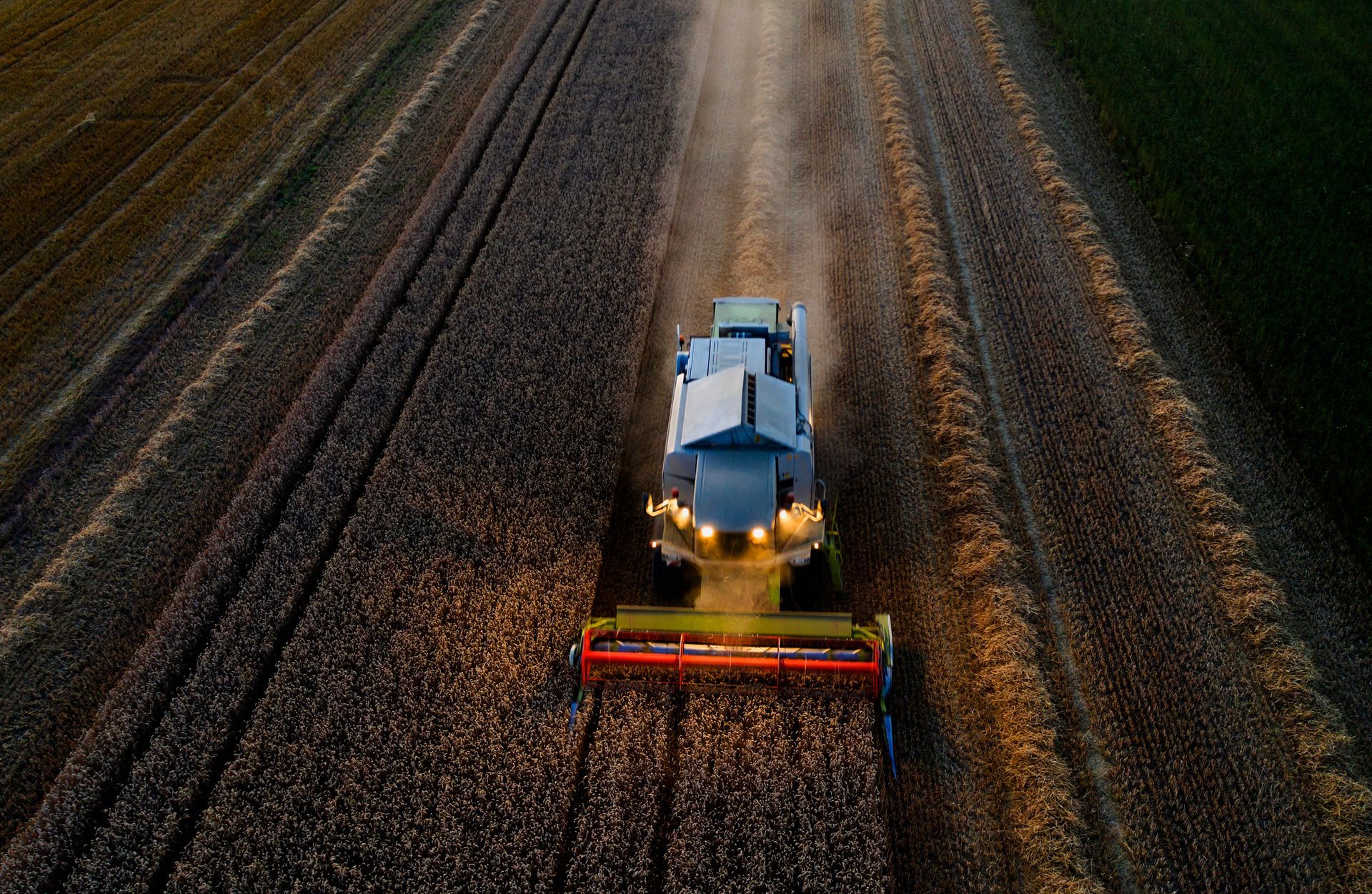
High-precision GNSS has typically been too costly and complex for all but the most critical agricultural operations, but recent RTK GNSS innovations have made centimetre accuracy scalable to all applications in Ag-Tech.
Every Aussie farmer knows that the difference between a “good” crop and a “record-breaking” one often come down to the smallest details. At BioFlora, we’ve spent years perfecting the balance of plant nutrition, and the result is IsoGreen – our powerhouse liquid formula designed to push your yields and crop taste to their absolute peak.
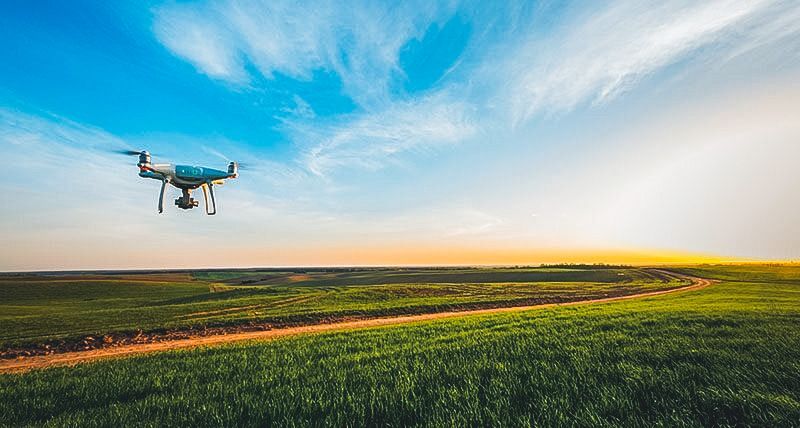
Plant, spray and harvest with confidence using reliable centimetre level positioning. Hexagon SmartNet provides fast, accurate RTK corrections across Australia to reduce overlaps, lower input costs and maximise productivity. With no base station required, simply connect, get a fix and get to work.
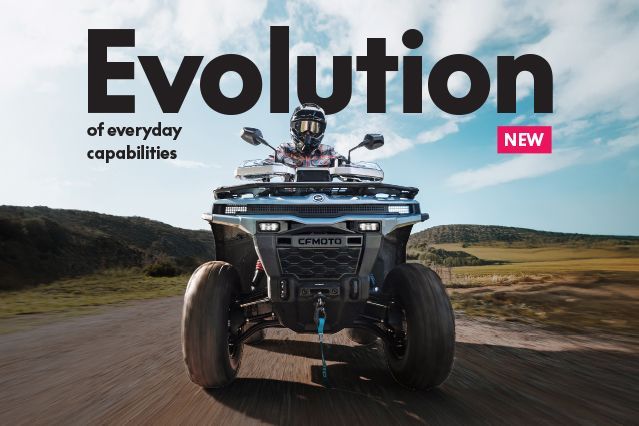
Built for the demand of Aussie farmers. Designed for every day performance.
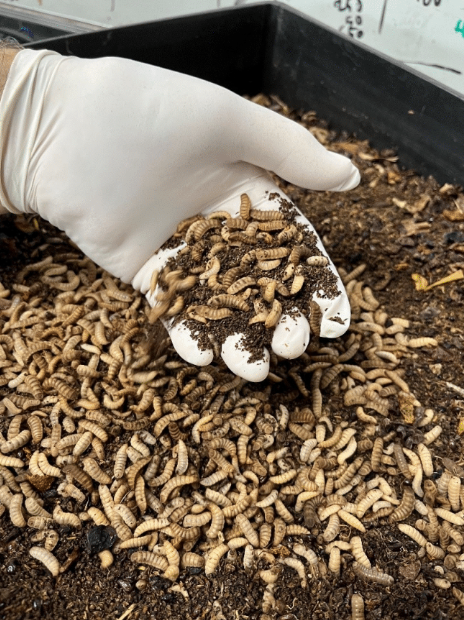
They’re wriggly black grubs more commonly tossed to backyard hens than served at the dinner table, but black soldier fly larvae could soon play a key role in building a more sustainable food system, according to new research from Adelaide University.
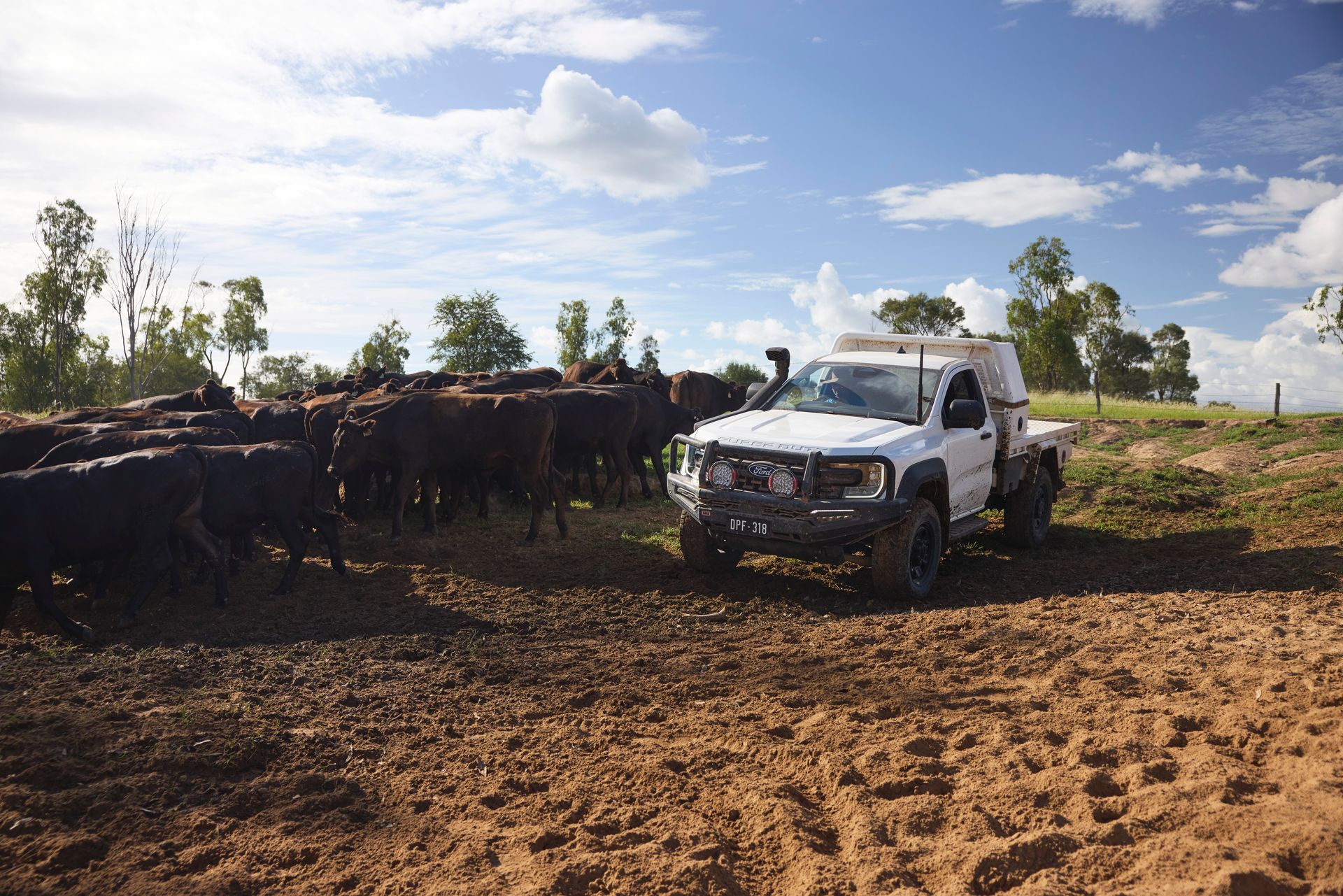
After four years of customer research and 500,000 test kilometres, Ford says the Ranger Super Duty brings farmer-driven customisation into the factory, with more towing, payload, and durability built in.