Guy R. Webb is an Agronomist and Researcher. He is also Cofounder and Global Agronomic Lead at Loam Bio.
When cropping meets the carbon economy: play the offensive game
Guy R. Webb
With business Greenhouse Gas emissions reporting now a reality in Australia, and agriculture becoming increasingly entangled in the carbon economy, how can farmers best position themselves?

As an agronomist in the Australian agricultural carbon space, I see opportunity and risk ahead for farming in the evolving carbon economy. Farmers may be asked to account for, and then ultimately pay for, emissions (i.e., fertiliser, electricity, fuel, methane etc.) created in the production of agricultural produce (i.e., grain, meat, fibre). The philosophy of “Occam's Razor” suggests that the most likely scenario will be that insetting emissions will simply become a requirement to market entry. Importantly, the grower will bear this cost of lowering the on farm emissions i.e., reduce fertiliser, fuel, or livestock from burping. Not a very straightforward task on the farm and often economically very unpalatable.
There is a narrative in the landscape that agriculture should ”socialise” its carbon emissions with the value chain by ”insetting” carbon emissions into its saleable produce. Nice sounding words. It’s actually code for ”the rest of the value chain wants to push emissions downstream, off their books…back to the farmer”.
Why? I call it the ”Pepe-Le-Pew effect”. Remember that old Looney Tunes cartoon skunk that was always being overly amorous with the cat, and the cat seriously didn't want anything to do with the skunks unwanted advances? Well, Pepe-Le-Pew represents carbon emissions and the cat represents businesses.
It’s a game of ”pass-the-(emissions) parcel” and don't get caught with it when the music stops or else you will pay.
That’s where farming has a seriously powerful unfair advantage.
Carbon is good for soils, crops, resilience, and food security. Soils are the largest terrestrial carbon sink on the planet. Farmers manage that carbon sink. No other industry has access to this huge carbon sink. It’s a fortunate ”unfair advantage”, the ace in our hand in this carbon economy.
There are two reasons for this: one, the farmer can grow another valuable enterprise-stacked crop (soil carbon credits); and two, it's a chance to rehabilitate tied soils with more carbon and get paid for it. They call that a ”win-win”, and it's the only way this carbon space is going to truly work in agriculture’s favour I believe.
Science confirms we can indeed build carbon in soils in both grazing and annual cropping systems. This changes the game. When a landholder can reliably store a carbon credit on their own farm, in their own soils, that carbon credit value sits on the farmer's own balance sheet as a financial instrument. No one else owns those credits. The farmer is free to use whatever financial mechanism s/he chooses to wield that influence in the carbon economy.
I'll leave this with the astute to think about what that actually means to a farm business. For mine, I’d rather play offensively, enhance my soil health and be on the front foot in the carbon game than be a defensive bunny in the headlights. Best of all, growing soil carbon credits allows the industry to truly earn a global green image in the climate space by actually physically removing carbon dioxide from the atmosphere whilst improving soils … at scale. A virtuous and welcomed win-win-win with legacy.

NEWS
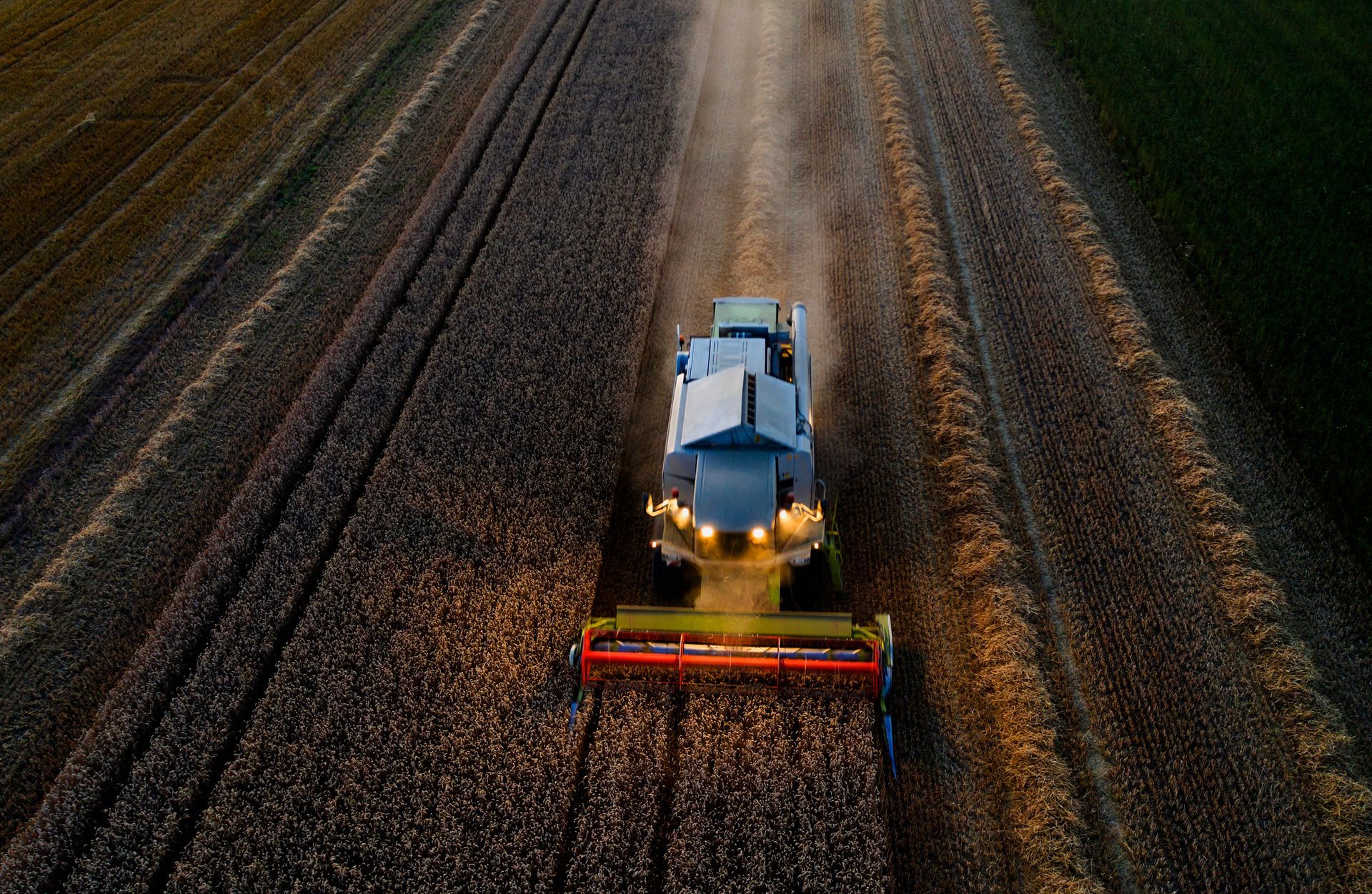
High-precision GNSS has typically been too costly and complex for all but the most critical agricultural operations, but recent RTK GNSS innovations have made centimetre accuracy scalable to all applications in Ag-Tech.
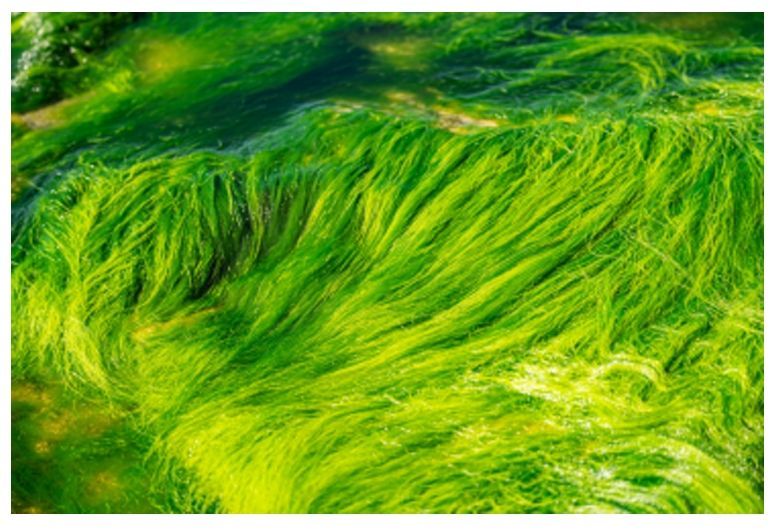
Every Aussie farmer knows that the difference between a “good” crop and a “record-breaking” one often come down to the smallest details. At BioFlora, we’ve spent years perfecting the balance of plant nutrition, and the result is IsoGreen – our powerhouse liquid formula designed to push your yields and crop taste to their absolute peak.
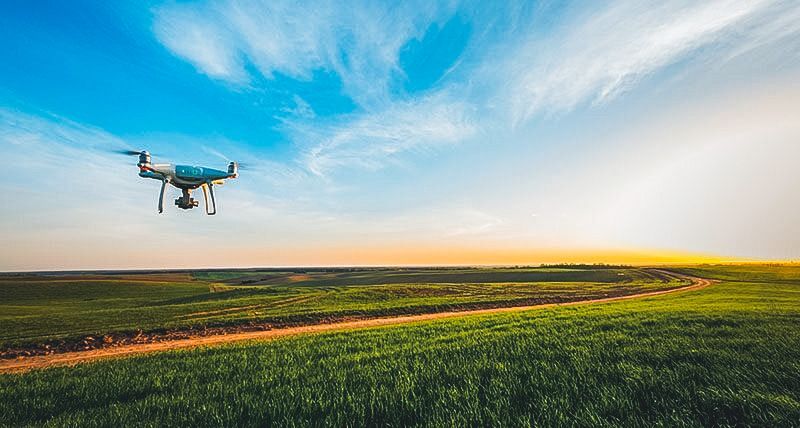
Plant, spray and harvest with confidence using reliable centimetre level positioning. Hexagon SmartNet provides fast, accurate RTK corrections across Australia to reduce overlaps, lower input costs and maximise productivity. With no base station required, simply connect, get a fix and get to work.

Built for the demand of Aussie farmers. Designed for every day performance.
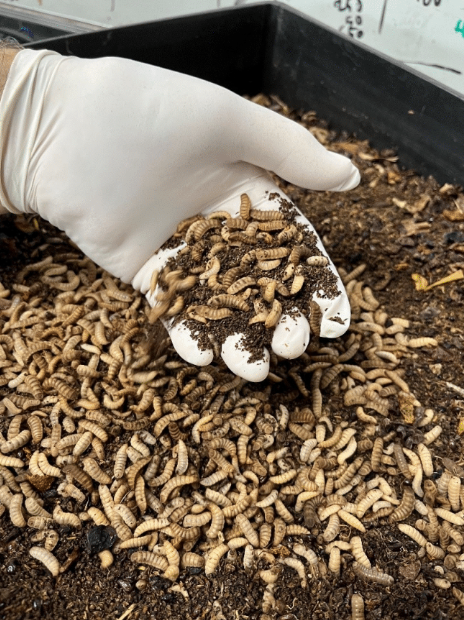
They’re wriggly black grubs more commonly tossed to backyard hens than served at the dinner table, but black soldier fly larvae could soon play a key role in building a more sustainable food system, according to new research from Adelaide University.
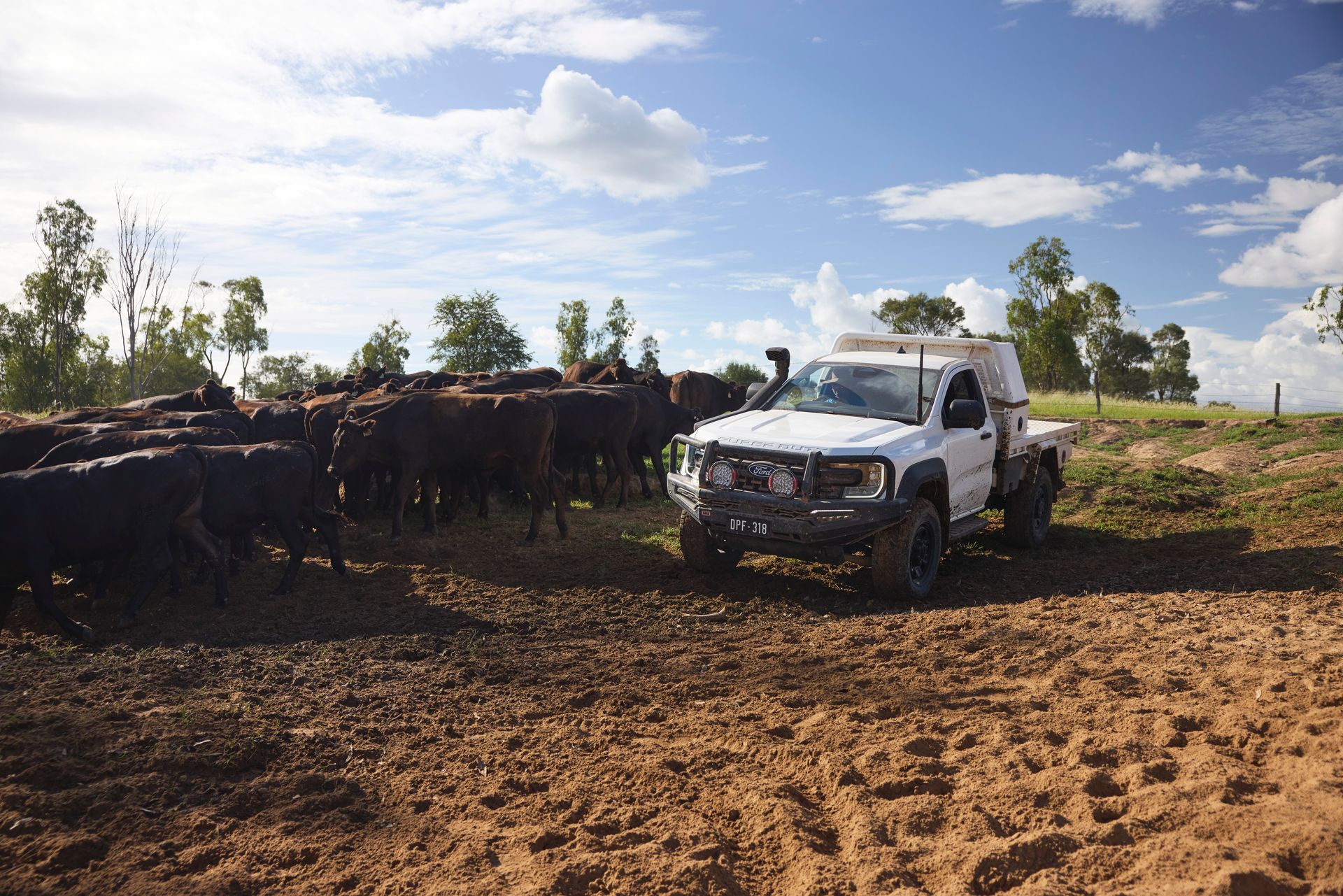
After four years of customer research and 500,000 test kilometres, Ford says the Ranger Super Duty brings farmer-driven customisation into the factory, with more towing, payload, and durability built in.