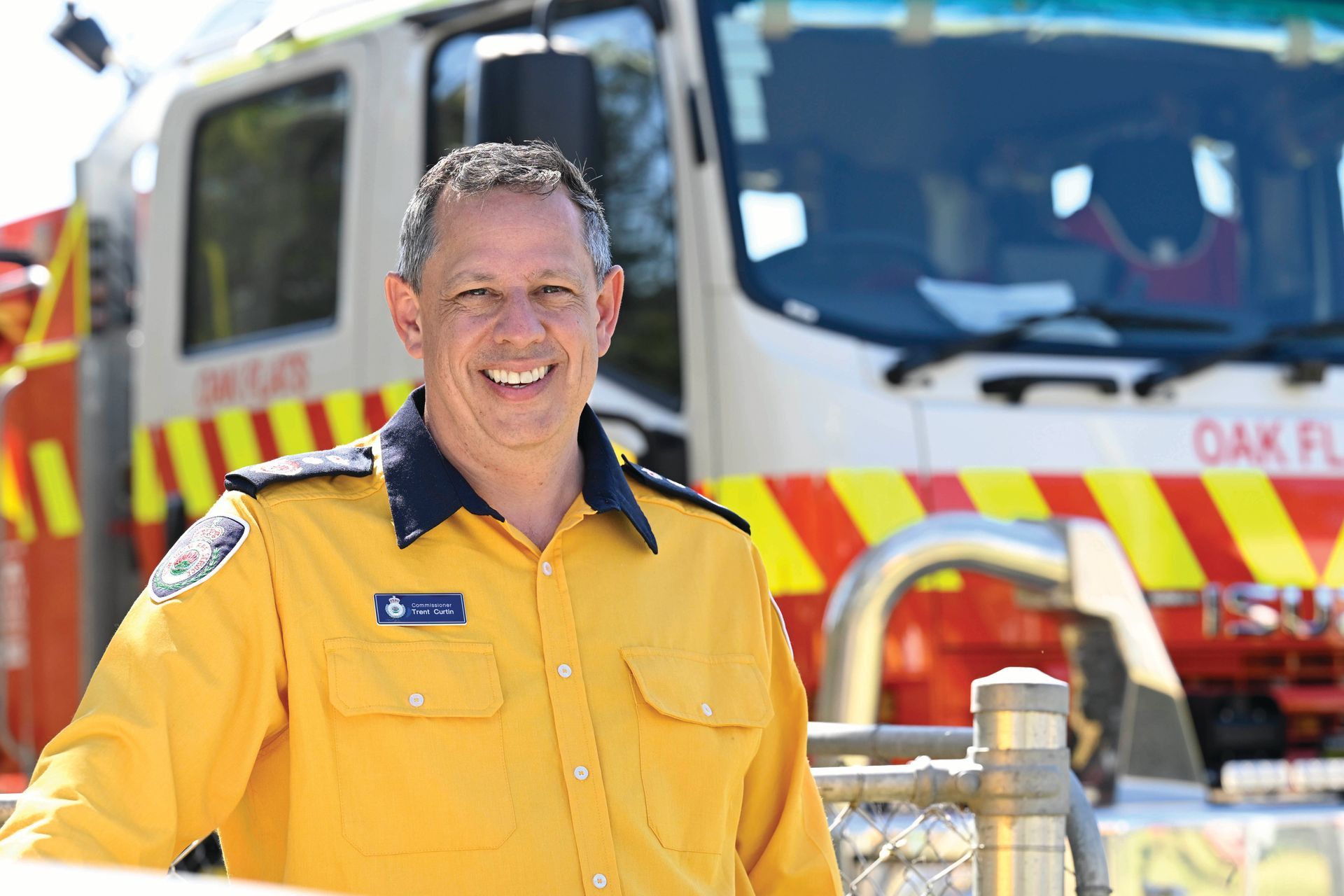
Commissioner Trent Curtin commenced at the NSW Rural Fire Service (RFS) in July 2025, bringing with him over three decades of experience in fire and emergency management, crisis leadership and organisational strategy. Commissioner Curtin has held senior leadership roles in Victoria and NSW including Assistant Chief Fire Officer at Fire Rescue Victoria and Assistant Commissioner at Fire and Rescue NSW. Prior to joining the RFS, Commissioner Curtin was the acting Deputy Secretary of SafeWork NSW.
Stronger brigades, stronger farms
Trent Curtin
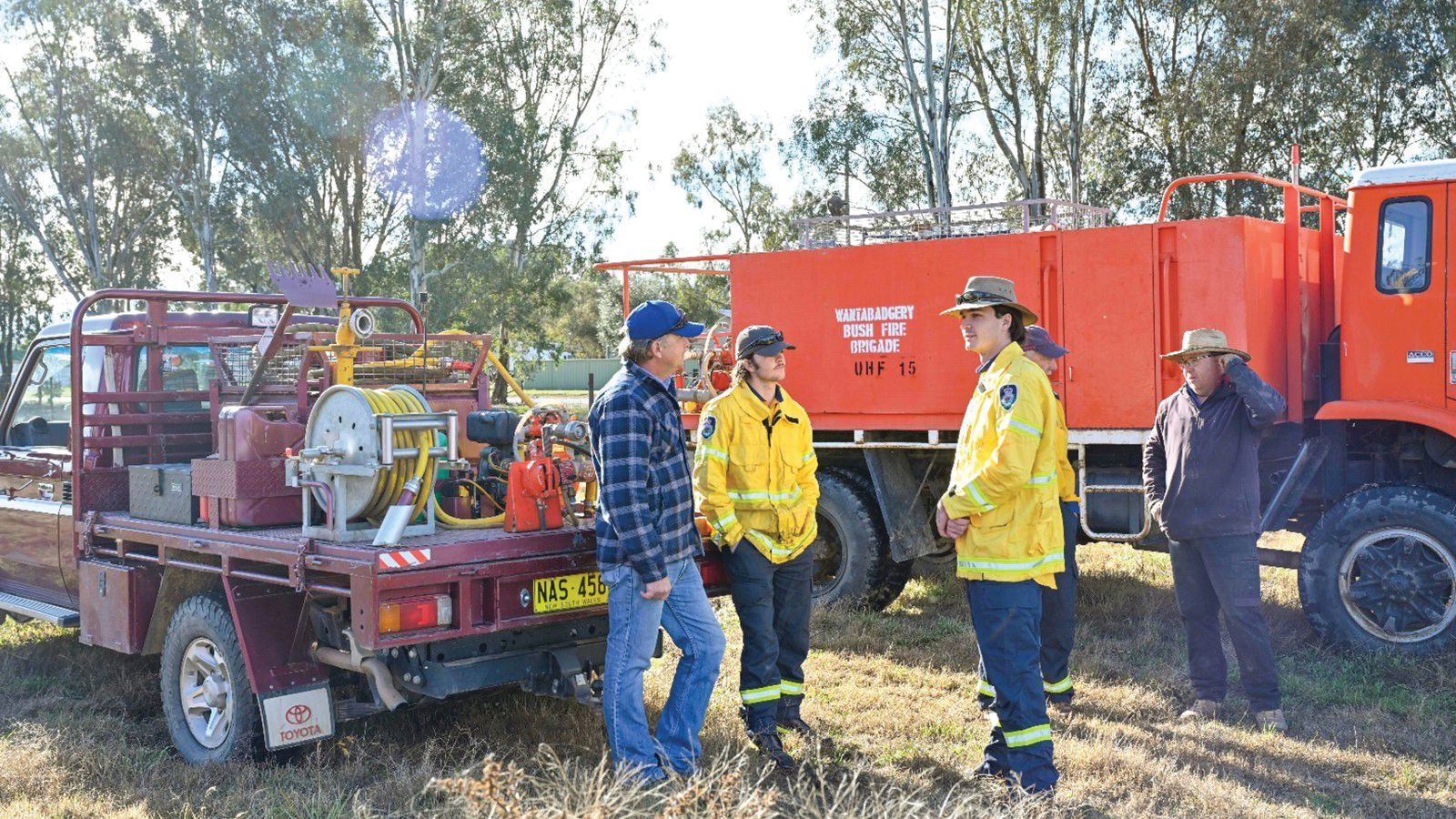
Farmers are an important partner in managing the risk of fire across the landscape and a critical part of the firefighting effort, often providing a first response to fires. Many farmers are also volunteer firefighters.
Volunteerism is changing as our climate changes. Involving everyone living and working in regional-rural Australia and keeping training practical lets simple technology and local knowledge protect our farms and country towns, now and into the future.
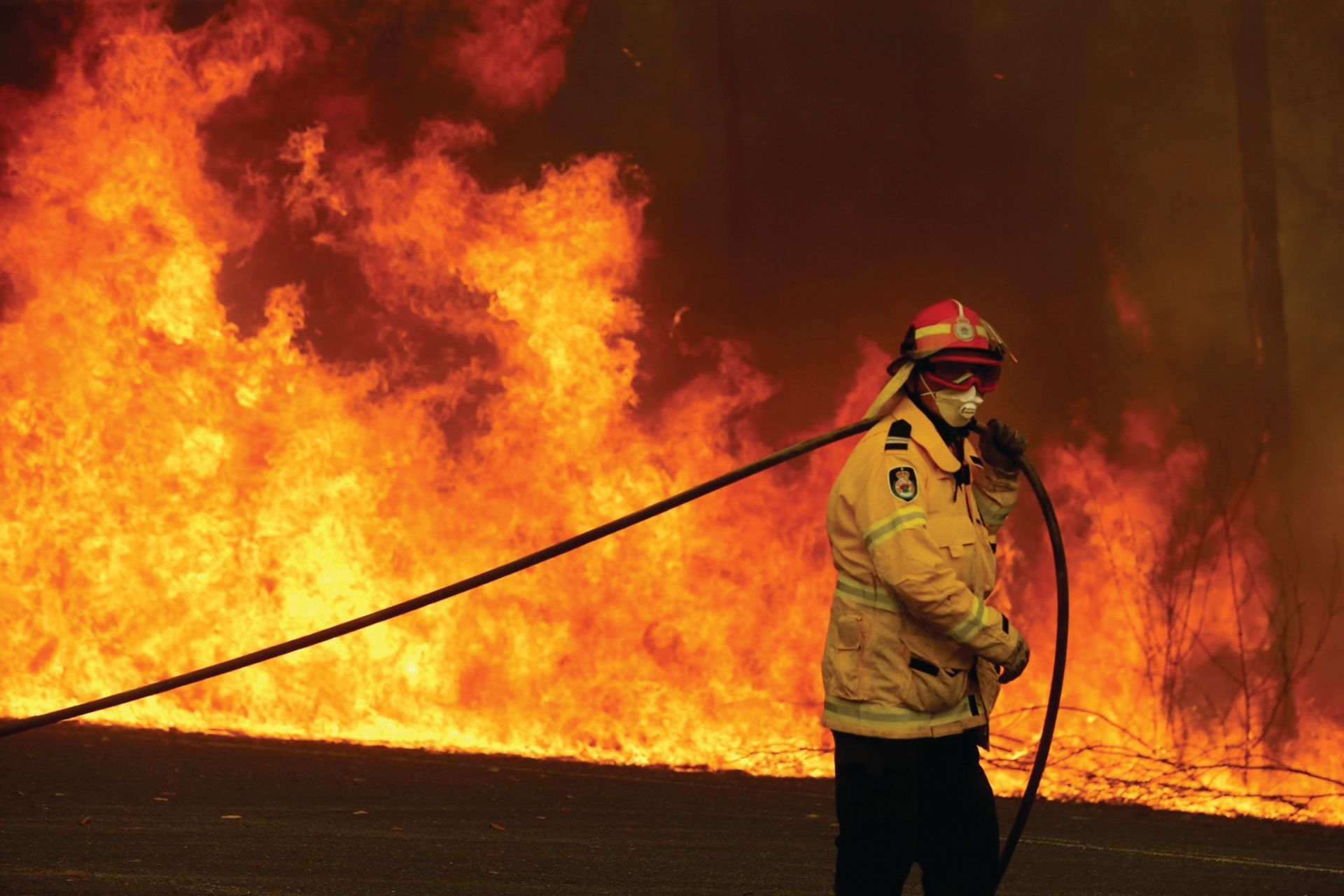
Australia has always lived with fire. The Australian Climate Service advises that bush fires and grass fires are a natural essential and complex part of Australian ecosystems and have been for thousands of years. We also know that longer and more intense fire seasons are part of our nation’s future. Hotter, drier, more variable seasons are placing more weight on rural communities, especially, and farmers carry much of that load. The 2019-20 fires are estimated to have cost Australian agriculture between $4 and $5 billion, with 1.57 million hectares of freehold land destroyed in NSW.
Our preparations must be practical and people centred. Strong rural fire brigades, supported by quality training, effective tools, and innovation, are the backbone of that future. When volunteerism is healthy, farms and their communities are safer and stronger
.
In my first few months as Commissioner of the NSW Rural Fire Service (RFS), I have been on the road, visiting local brigades and meeting with local leadership teams. Farmers are clear and consistent in what they say. They want simple, straightforward ways to volunteer. Often, they volunteer not because they want to be part of the rural fire service, but because they need to. Farmers understand risk better than most; their judgement is central to how we prepare and respond. Across rural Australia, adaptation is already underway.
Our farmers who volunteer want skills that make them safe and effective, without overdoing it. They want trucks and equipment matched to local risk. They want processes that are not overly bureaucratic or difficult to implement. They want access to the best of technology that is available, backed by training that makes it meaningful and easy to use.
I agree. We must keep challenging how we attract, train, and retain volunteers in different settings and in different communities. If we get this right, we build capability and capacity for changing climatic conditions, now and into the future. Resilience is a mindset as much as a plan. It defines how we think and act before, during, and after each fire season.
The starting point is flexibility. Life on the land is seasonal and demanding. Volunteering should fit that rhythm. Some people can crew a truck. Others prefer logistics, planning, mapping, catering, or community engagement. Many can commit to preseason preparation even if responding to fires is hard during harvest. When we keep roles open and flexible, more people can contribute and stay involved.
Our training must be practical and portable. The core skills of a good firefighter are the same skills that make farms safer. Reading country, wind, and weather. Running a safe briefing and sticking to a checklist. Setting up pumps and maintaining equipment. Managing water, tracks, and turnarounds for heavy plant machinery. Using maps and radios with discipline. Managing safety and fatigue over long days. Planning burns and protecting assets. These habits reduce risk on the fireground and on the farm.
Women and young members are central to the future of volunteerism. The work is broad and we will need all available hands in regional and rural communities to meet future demands. We need more women leading crews and leading brigades. We need young people joining at a faster rate, flying drones, running intelligence, managing communications, and learning frontline leadership, fire prevention, and incident management. That means active mentorship, clear pathways to leadership and a culture that is always safe and respectful. When people feel seen and supported, they stay.
Technology will increasingly be an enabler, but never the hero. The best tools are the ones people actually use. From satellites and weather sensors to simple alerting apps and modern fleet, the right tools help local brigades reach and extinguish fast-moving fires. The future is proactive and intelligence-led, where technology amplifies judgement and local experience. Simple alerts for wind change, lightning and local warnings. Drones that can quickly help check trails, breaks and fire spread in minutes. Shared information that works across agencies and borders. None of this replaces local knowledge. It amplifies it.
Matching capability and equipment to local risk matters. A high grassland risk district needs different tools to forested areas. Some places need more slip-on or light firefighting units and quick response. Others need bulk water and heavy plant support. When landholders and brigades plan together, the right people can act quickly and safely when it matters. Good risk intelligence, shared between brigades and local landholders, helps us make those calls and keeps communities safe.
Culture is the anchor. Respect, safety, and inclusion are not slogans. They show up in everyday behaviour and how we volunteer together. We listen. We train well. We debrief honestly. We thank people for their time. We make everyone feel part of the team. We make it easy to join, easy to contribute, and worthwhile to stay. Doing things the right way protects people, land and the rural way of life. We are strongest when our local efforts connect into a coherent, shared overarching system.
Looking ahead, the same skills and approaches will help us meet the next set of challenges. Bushfire risk will never be zero, but together we can manage it better year on year. Climate variability will test harvest windows, stock movements, and local water security. Farms will continue to adapt to tighter margins and changing markets. People will move in and out of towns and districts.
Strong brigades give communities a stable base in the middle of that change. Practical training builds judgment. Common language on the radio reduces mistakes. Local maps and shared data turn information into action. Technology, used well, helps busy people make faster and safer decisions.
Without change, we will continue to see a gradual decline in volunteering in rural communities. Modern pressures are squeezing the time and energy people can give, even as local need grows. In a time of changing climatic conditions, that decline will place rural communities at greater risk. So, we must act now. The work is clear. Keep volunteering flexible. Make training practical and recognised. Use technology to serve people and place. Welcome women and young members into every role and every level of leadership. Strengthen the ties between brigades and farms so that the skills we learn pay back on the farm. Government investment matters, but community reach is what turns plans into outcomes.
Rural communities with strong volunteering and strong brigades are what is needed to protect us in an uncertain future. If we build on our strengths and keep improving the way we work, we will be ready for the seasons ahead. Strong brigades make strong farms. Neighbours helping neighbours will keep our communities safe, now and into the future.
NEWS
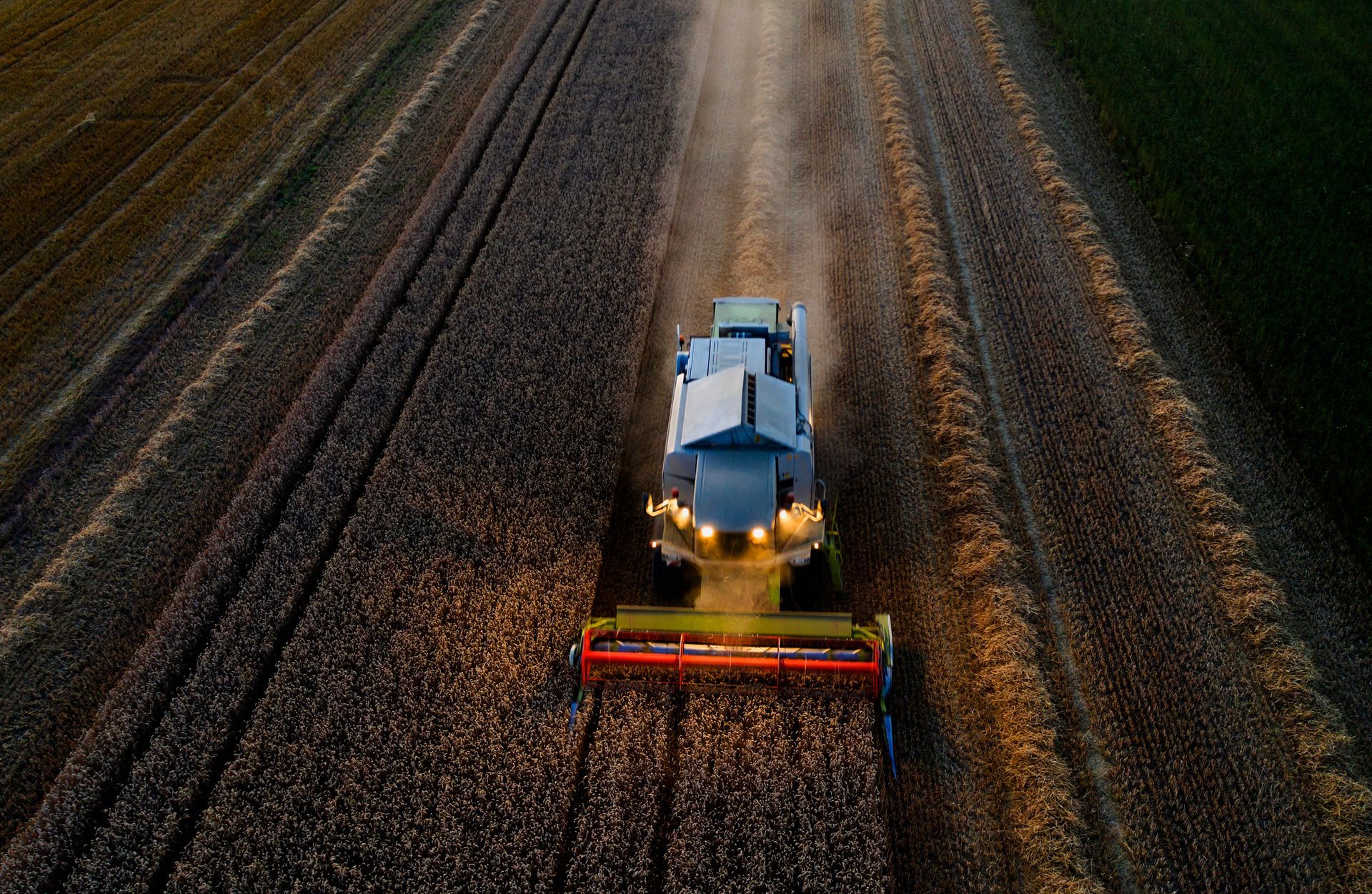
High-precision GNSS has typically been too costly and complex for all but the most critical agricultural operations, but recent RTK GNSS innovations have made centimetre accuracy scalable to all applications in Ag-Tech.

Every Aussie farmer knows that the difference between a “good” crop and a “record-breaking” one often come down to the smallest details. At BioFlora, we’ve spent years perfecting the balance of plant nutrition, and the result is IsoGreen – our powerhouse liquid formula designed to push your yields and crop taste to their absolute peak.
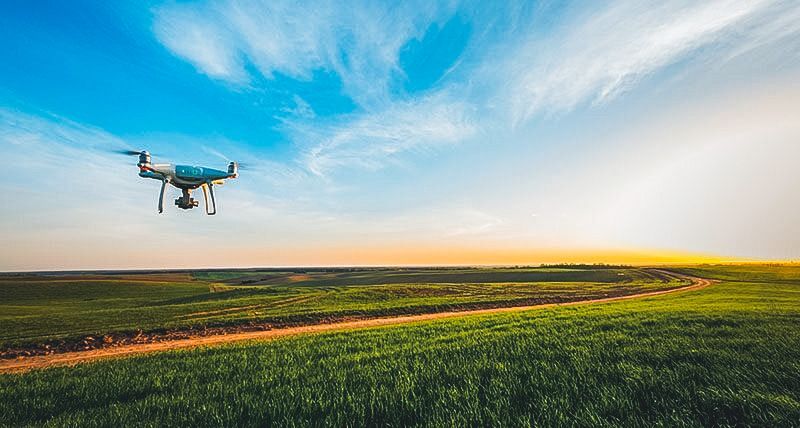
Plant, spray and harvest with confidence using reliable centimetre level positioning. Hexagon SmartNet provides fast, accurate RTK corrections across Australia to reduce overlaps, lower input costs and maximise productivity. With no base station required, simply connect, get a fix and get to work.

Built for the demand of Aussie farmers. Designed for every day performance.
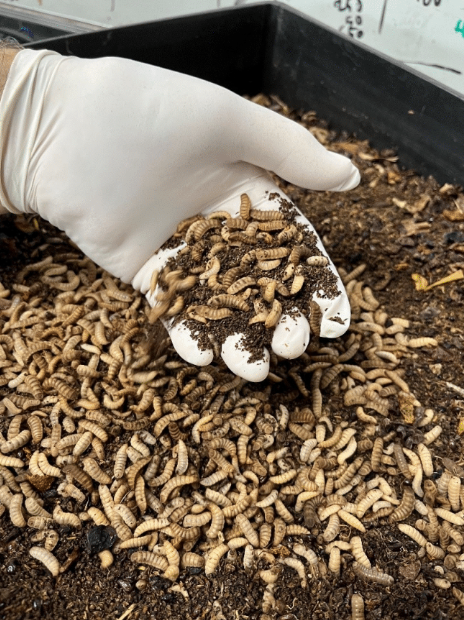
They’re wriggly black grubs more commonly tossed to backyard hens than served at the dinner table, but black soldier fly larvae could soon play a key role in building a more sustainable food system, according to new research from Adelaide University.
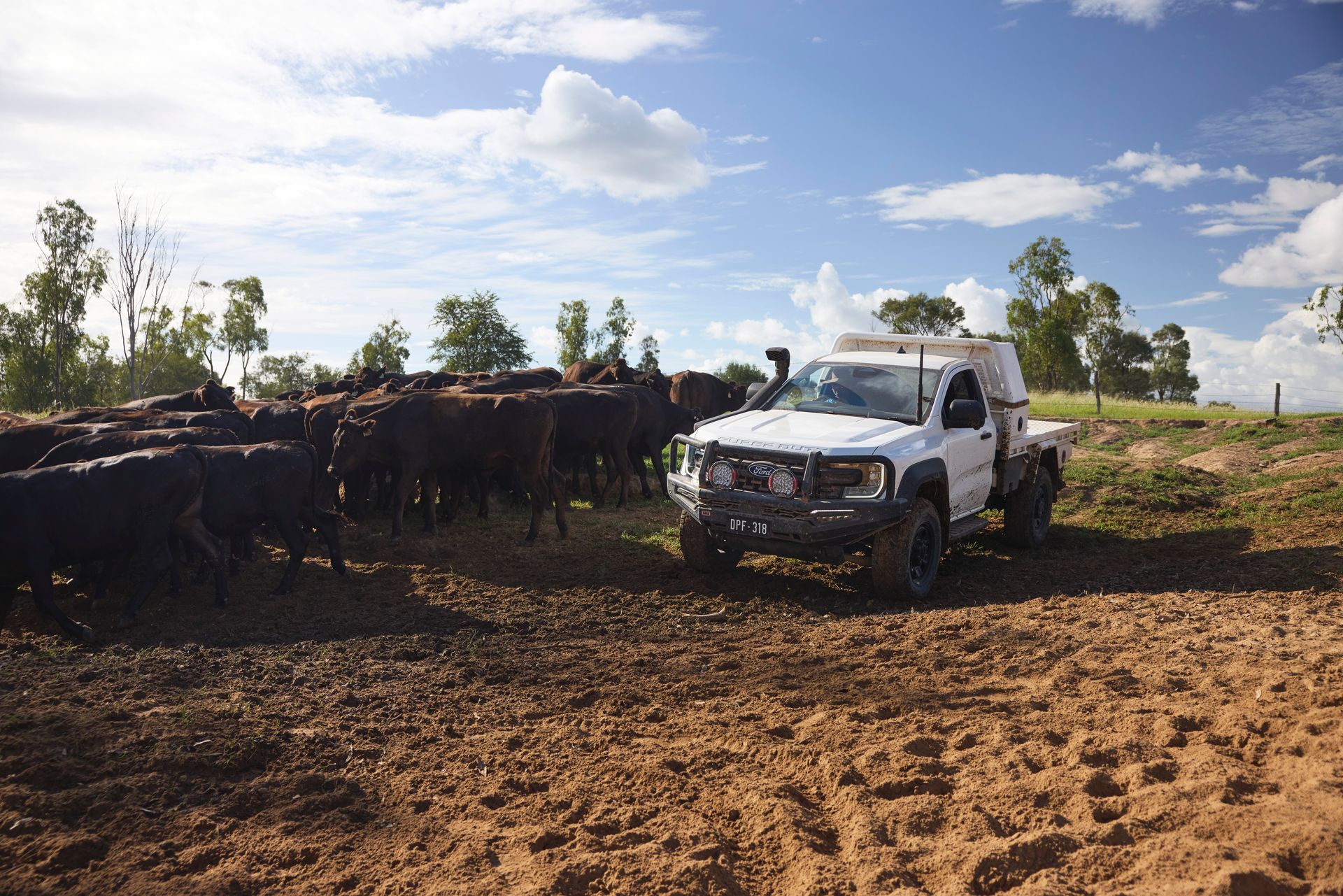
After four years of customer research and 500,000 test kilometres, Ford says the Ranger Super Duty brings farmer-driven customisation into the factory, with more towing, payload, and durability built in.