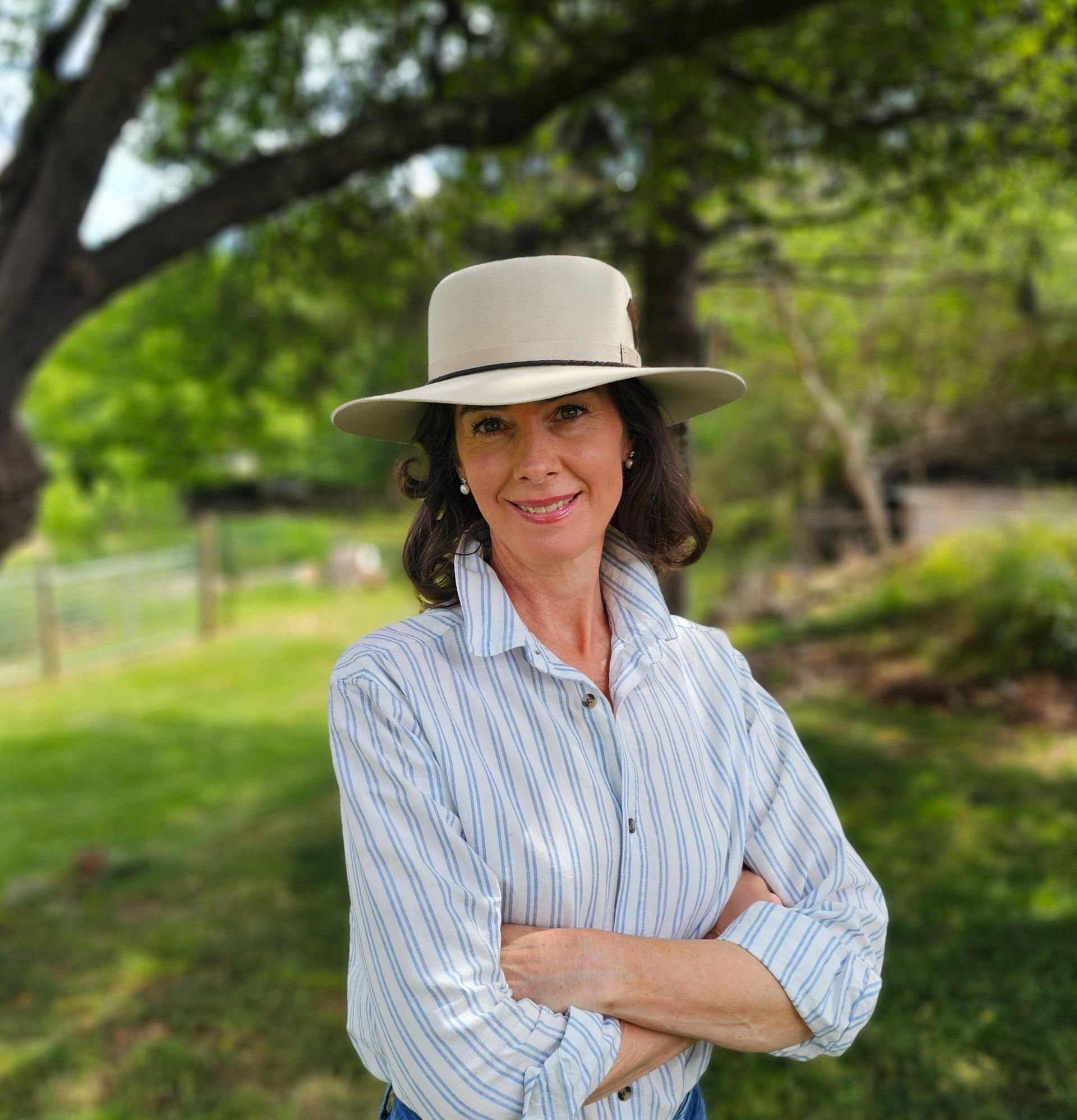
Cressida Cains is President of Australian Women in Agriculture, co-founder of Pecora Dairy. and a national advocate for women's leadership, governance, and innovation across Australian agriculture.
The future of agriculture needs women at every table
Cressida Cains
The United Nations has declared 2026 the International Year of the Woman Farmer. It's a timely opportunity to celebrate women's contribution to agriculture and to ask what more we must do to unlock their potential.
The United Nations has declared 2026 the International Year of the Woman Farmer, led by the Food and Agriculture Organization (FAO). It is a global recognition of the essential role women play across agrifood systems, while shining a light on the persistent barriers many continue to face including access to land, finance, resources, leadership opportunities and the ability to build resilience in the face of climate change.
For Australia, this recognition is more than a celebration.
It is an opportunity to reflect on how far we've come, acknowledge where work still remains, and ask what kind of agricultural future we want to create.
When people picture an Australian farmer, many still imagine a man in a wide-brimmed hat standing beside a tractor. It's an image that has served us for generations, but it no longer tells the whole story.
Across Australia, women are farming, leading businesses, conducting research, driving innovation, influencing policy, serving on boards, and building stronger rural communities. They are managing family enterprises, developing new technologies, advocating for industry, and mentoring the next generation. In many cases, they are doing all of these things at once.
Women have always been central to Australian agriculture.
What has changed is that their leadership is becoming more visible, more influential. and more essential than ever before.
Australian agriculture is currently facing some of its biggest challenges in history. Climate variability, workforce shortages, changing consumer expectations, technological disruption, geopolitical tensions, and increasing pressure on natural resources require new ways of thinking and new kinds of leadership.
No single person or organisation has all the answers to ensure the industry remains strong and stable into the future.
Our greatest strength will come from bringing together diverse perspectives and experiences to solve complex problems.
That includes ensuring women are represented wherever decisions are made.
Over recent decades, we've seen remarkable progress. More women are studying agriculture, leading agribusinesses, chairing organisations, sitting on industry boards, and shaping national conversations. Programs that support leadership development, governance and mentoring are helping create pathways that simply didn't exist for many women a generation ago.
Yet the International Year of the Woman Farmer reminds us that progress is not the same as equality.
Women continue to be underrepresented in leadership and decision-making across many parts of agriculture. Access to finance, land ownership, networks, and career progression remains uneven. While Australia's experience differs from many countries, these global challenges should prompt us to ask whether every woman and girl with the talent to contribute to agriculture truly has the same opportunity to succeed.
This isn't simply a women's issue.
It is an agricultural issue.
The best decisions are made when they draw on diverse perspectives, lived experience, and different ways of solving problems. Industries that harness the talents of all their people are better equipped to innovate, adapt to change, and build resilient businesses and communities.
One of the greatest privileges of my role as President of Australian Women in Agriculture is meeting women from every corner of the country—and increasingly across our region. Recently, I joined colleagues in Papua New Guinea to deliver a leadership program for women working in agriculture. Despite the differences between our countries, the conversations were remarkably familiar.
Women everywhere are asking similar questions.
- How do I build my confidence?
- How do I navigate leadership?
- How do I create opportunities for others?
- How do I balance competing responsibilities?
These conversations remind us that while our contexts may differ, our aspirations are often shared. They also reinforce the importance of building strong relationships across Australia and the Pacific, where we can learn from one another, strengthen our industries and create opportunities that extend beyond our own borders.
So how should Australia mark the International Year of the Woman Farmer?
Of course, we should celebrate the extraordinary contribution women make every day.
But celebration alone is not enough.
Let's use this year to invest in leadership development. To support more women onto boards and into decision-making roles. To encourage girls to see agriculture as a career of opportunity and purpose. To back women-led innovation, research, and entrepreneurship. And to continue building an industry where talent and contribution matter more than tradition or stereotype.
To the young women and girls considering a future in agriculture, my message is simple.
There has never been a more exciting time to join this industry.
Agriculture today is about far more than producing food and fibre. It is about science, technology, environmental stewardship, business, communications, engineering, policy, entrepreneurship. and global trade.
There is a place for every talent.
Don't wait until you think you're ready. Back yourself. Seek out mentors. Build your networks. Be curious. Say yes to opportunities that stretch you. Your perspective is valuable, and agriculture needs it.
The International Year of the Woman Farmer should not simply be remembered as a year of recognition.
It should be remembered as the year we renewed our commitment to ensuring women have every opportunity to contribute, lead, and shape the future of Australian agriculture.
Because the future of agriculture won't be built by one type of leader.
It will be built by all of us.
NEWS
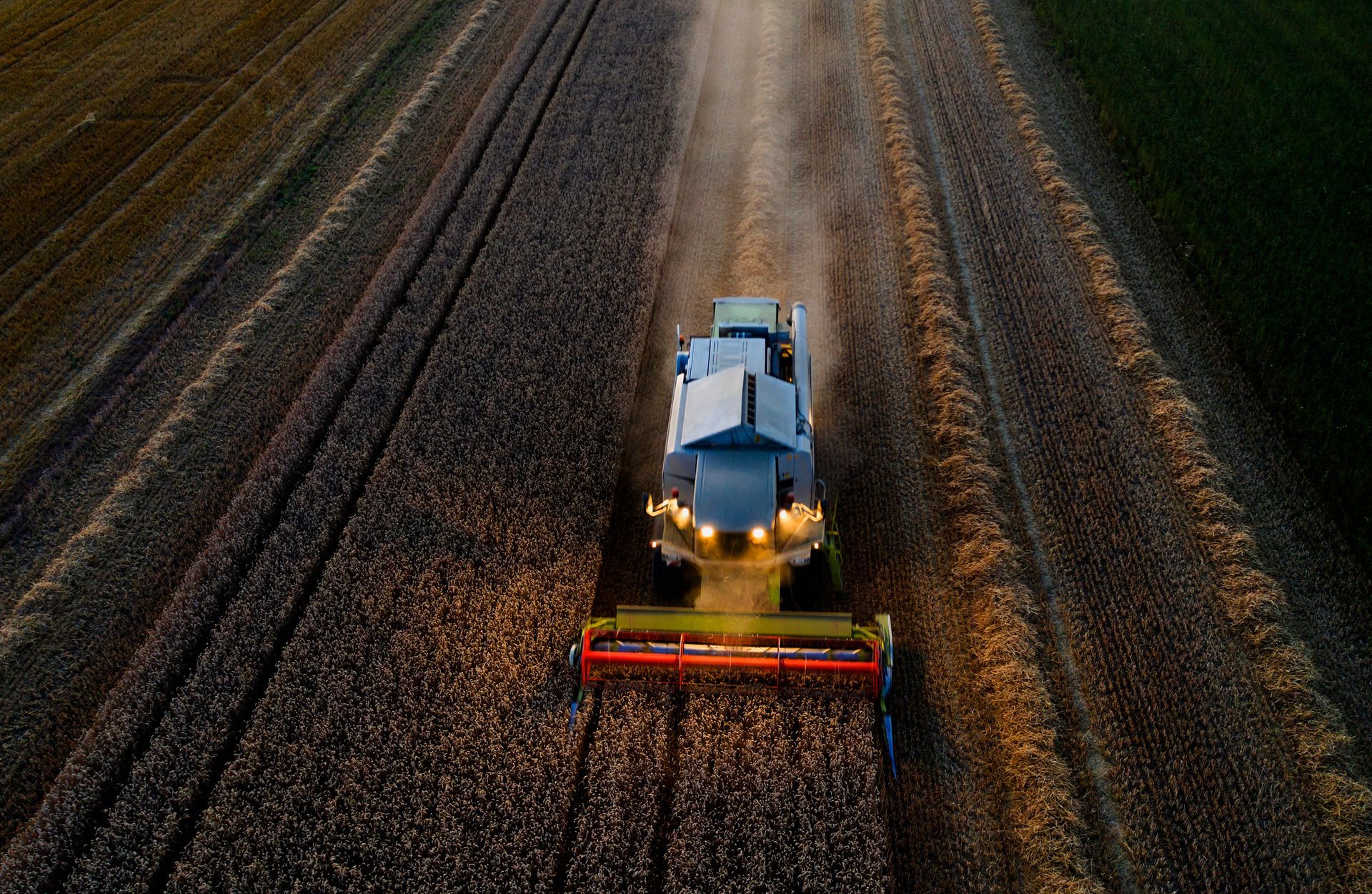
High-precision GNSS has typically been too costly and complex for all but the most critical agricultural operations, but recent RTK GNSS innovations have made centimetre accuracy scalable to all applications in Ag-Tech.
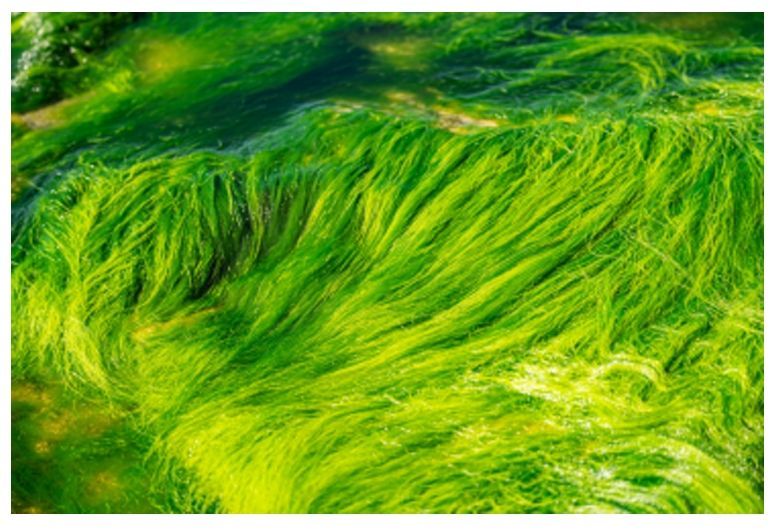
Every Aussie farmer knows that the difference between a “good” crop and a “record-breaking” one often come down to the smallest details. At BioFlora, we’ve spent years perfecting the balance of plant nutrition, and the result is IsoGreen – our powerhouse liquid formula designed to push your yields and crop taste to their absolute peak.
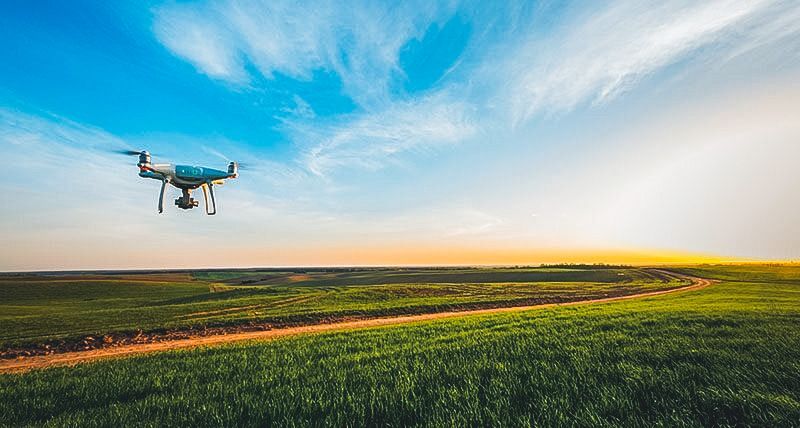
Plant, spray and harvest with confidence using reliable centimetre level positioning. Hexagon SmartNet provides fast, accurate RTK corrections across Australia to reduce overlaps, lower input costs and maximise productivity. With no base station required, simply connect, get a fix and get to work.
Built for the demand of Aussie farmers. Designed for every day performance.
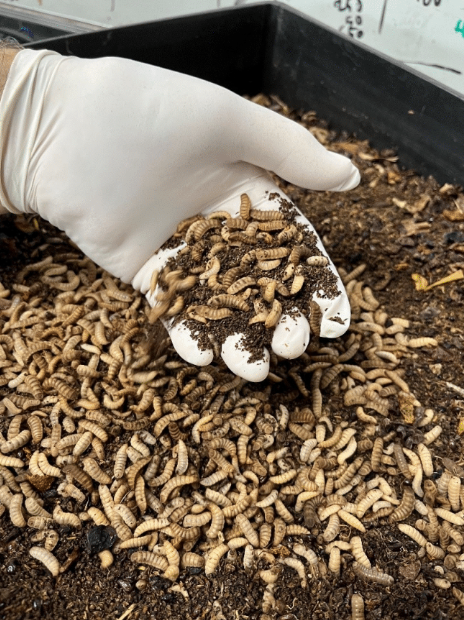
They’re wriggly black grubs more commonly tossed to backyard hens than served at the dinner table, but black soldier fly larvae could soon play a key role in building a more sustainable food system, according to new research from Adelaide University.
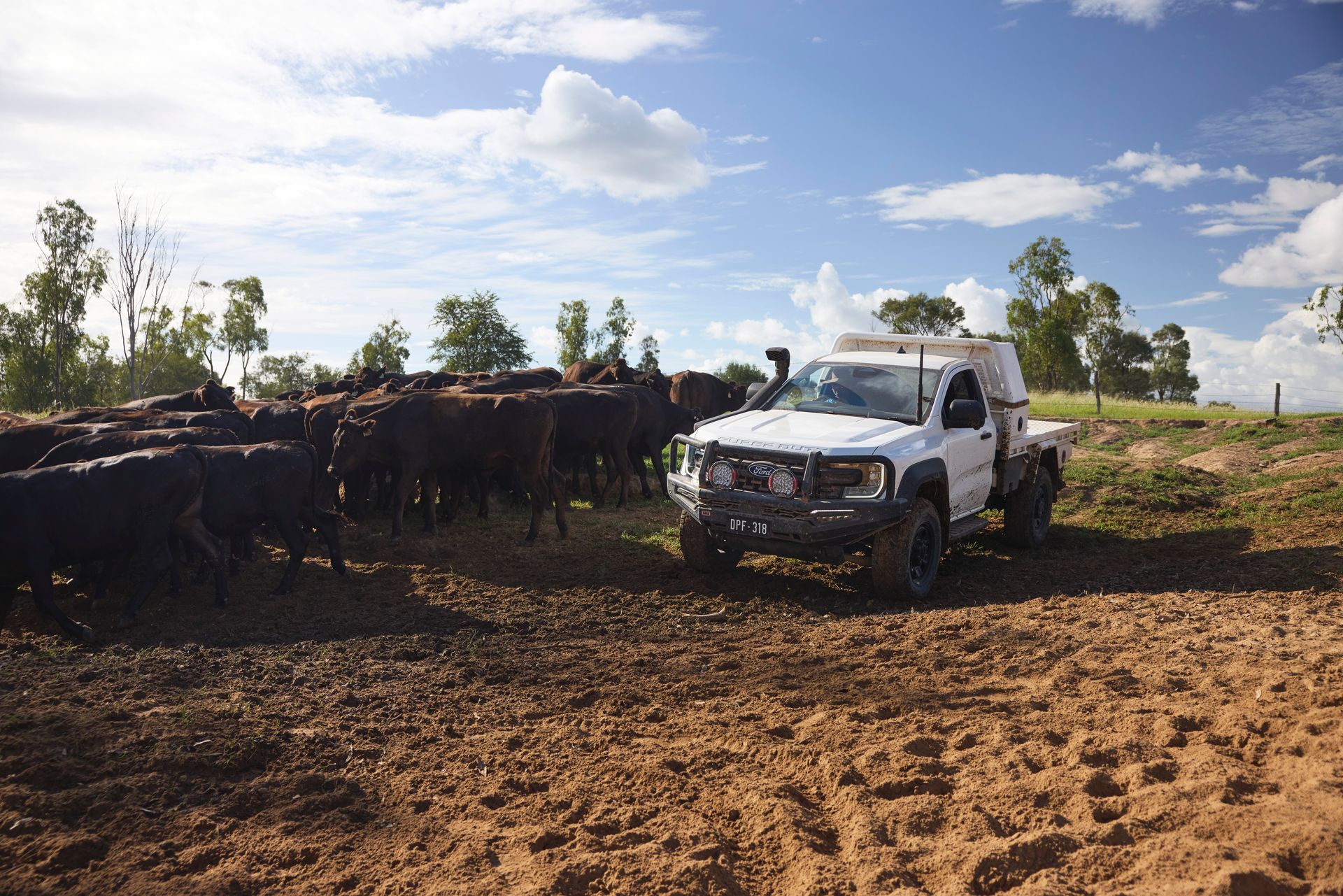
After four years of customer research and 500,000 test kilometres, Ford says the Ranger Super Duty brings farmer-driven customisation into the factory, with more towing, payload, and durability built in.