Tamara Stephensen is State President of Queensland Country Women’s Association (QCWA).
Women of the outback - the unsung heroes of rural and regional Australia
Australian women in rural and regional Australia are supported by many advocacy Not For Profit organisations committed to recognising and advancing their various contributions to the economy and social fabric of outback Australia.
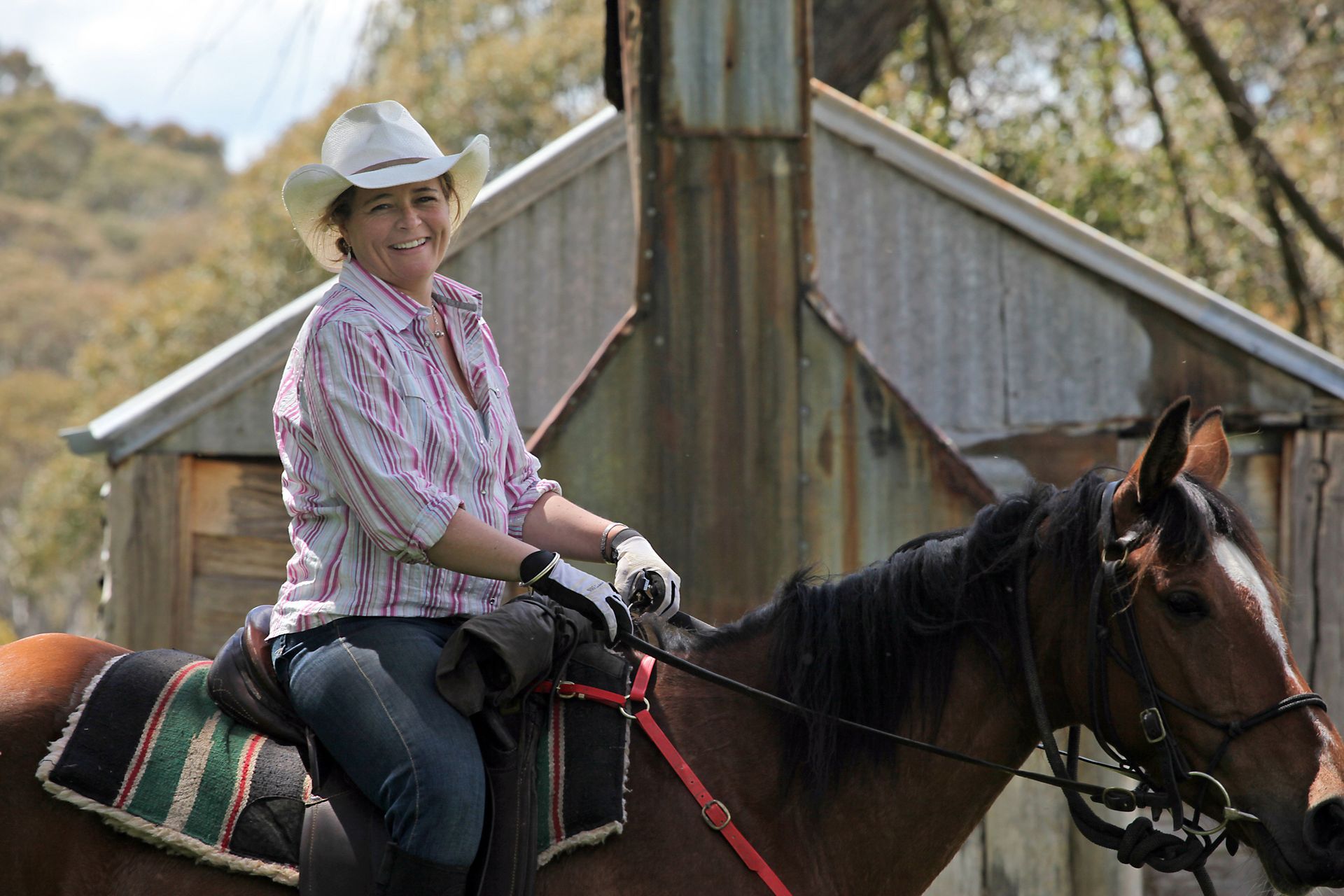
In 2025, Australia ranked 13th globally in the World Economic Forum's Global Gender Gap Report, marking its highest ever position since the index began in 2006. With around 30 per cent of Australians living in rural and regional areas, one might reasonably ask the question “what is being done to ensure women living in non-metropolitan centres are accounted for in this positive trend towards gender equality?”.
Australia is fortunate to have many advocacy Not For Profit organisations serving as pillars of support for women living in rural and regional areas of the country. The members of these Not For Profits, which include Country Women’s Association of Australia, Australian Women in Agriculture, and The National Rural Women's Coalition, are everyday women who are the backbone of rural and regional communities – managing farms, raising families, supporting local businesses, and working tirelessly to ensure that Australians living in the outback continue to thrive.
Through these Not For Profits, a platform is provided where rural and regional women can connect, learn, and most importantly, share their unique challenges and triumphs. The connection between these organisations and rural and regional women runs deep. The unique challenges faced by those living in rural and regional areas are well understood – from the isolation that can come with living far from services and family, to the mental and emotional toll of farming and rural and regional life.
Yet, despite these challenges, rural and regional women have always found ways to rise above them. They are innovators, leaders, and changemakers who have continually demonstrated extraordinary strength and perseverance.
This very spirit should be celebrated on a daily basis by every Australian, acknowledging the contributions that rural and regional women make to their communities and across industries, from agriculture to education, healthcare, and everything in between.
The Not For Profits provide an opportunity to showcase the incredible leadership and entrepreneurial spirit of these women who often work quietly behind the scenes, yet whose impact is immeasurable. The importance of offering these women a platform to gain recognition, receive support for their projects and in advocating for their communities, and connect with other like-minded individuals, cannot be over-stated.
But beyond that, it’s about women living in rural and regional Australia inspiring future generations of women who will continue the work of transforming our rural and regional communities. The power of rural and regional women is real.
Recent studies by nationally recognised organisations, such as NSW DPIRD, DAFF, and the Soil CRC, have put the spotlight on trends in women working in the agricultural industry in a series of recent major studies.
They found that women represent about 32 per cent of the Australian agricultural workforce but they remain under-represented in leadership roles. Despite the potential positive on-farm impact of women farmer’s knowledges, the research identified barriers to women’s participation in agriculture.
Women were found to be excluded from agriculture in a range of ways, including stereotyped gender roles, and the societal assumption that on family farms a man is the farmer and a woman is the farmer’s wife.
Swapping the cities and coastlines for paddocks and stockyards, a new generation of women is forging careers in agriculture, bringing fresh perspectives and innovation to the industry and proving that you don’t need to be born into farming to make an impact.
From 2016 to 2021, the number of women employed in agriculture grew by 7,105 workers, representing almost two-thirds (66 per cent) of the overall expansion in the agricultural industry. Sheep, beef cattle and grain farming accounted for 42 per cent of women working in the agricultural sector.
I believe that when rural and regional women succeed, we all succeed as a nation. It’s not enough to just celebrate the individual achievements of rural and regional women; the Not For Profits are investing in the future of our communities and ensuring that the voices of rural and regional women continue to be heard and valued.
As we move forward, let us all continue to stand together in support of rural and regional women, for they are the driving force behind the future of agriculture, innovation, and community growth in outback Australia.
Let us take pride in their contributions, celebrate their successes, and continue to empower them to reach new heights.
NEWS
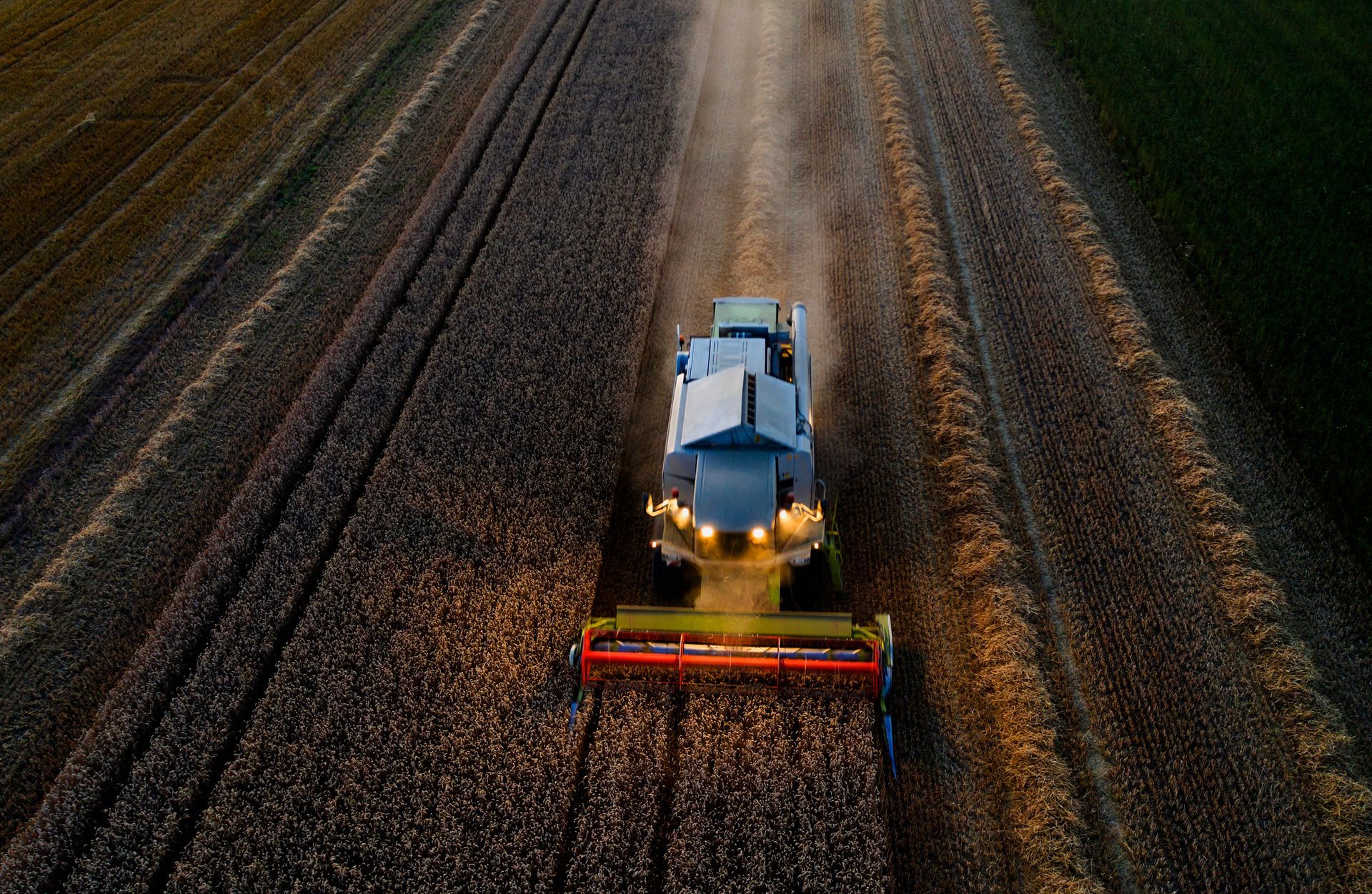
High-precision GNSS has typically been too costly and complex for all but the most critical agricultural operations, but recent RTK GNSS innovations have made centimetre accuracy scalable to all applications in Ag-Tech.
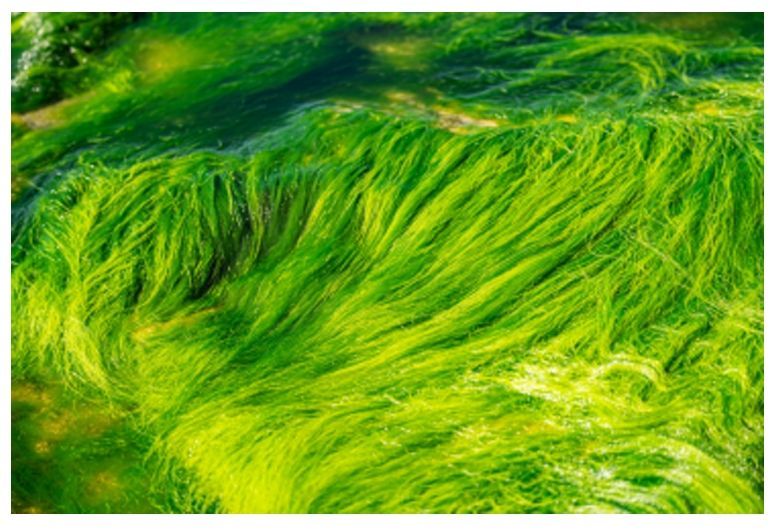
Every Aussie farmer knows that the difference between a “good” crop and a “record-breaking” one often come down to the smallest details. At BioFlora, we’ve spent years perfecting the balance of plant nutrition, and the result is IsoGreen – our powerhouse liquid formula designed to push your yields and crop taste to their absolute peak.
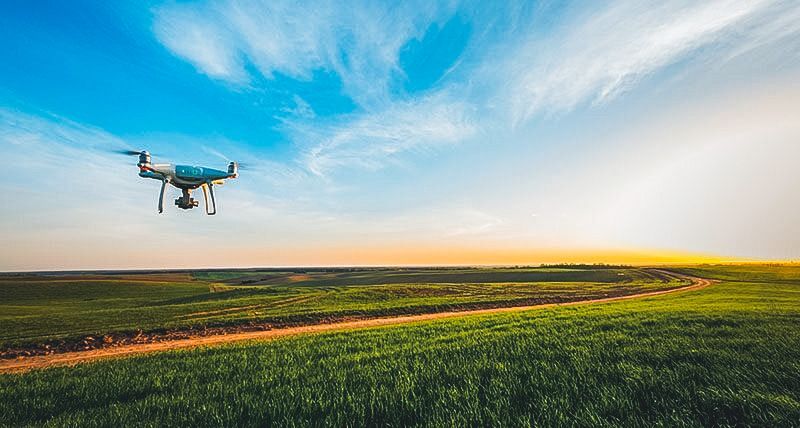
Plant, spray and harvest with confidence using reliable centimetre level positioning. Hexagon SmartNet provides fast, accurate RTK corrections across Australia to reduce overlaps, lower input costs and maximise productivity. With no base station required, simply connect, get a fix and get to work.

Built for the demand of Aussie farmers. Designed for every day performance.
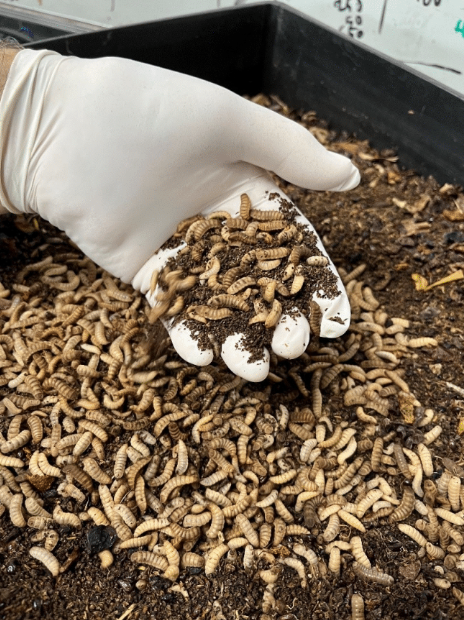
They’re wriggly black grubs more commonly tossed to backyard hens than served at the dinner table, but black soldier fly larvae could soon play a key role in building a more sustainable food system, according to new research from Adelaide University.
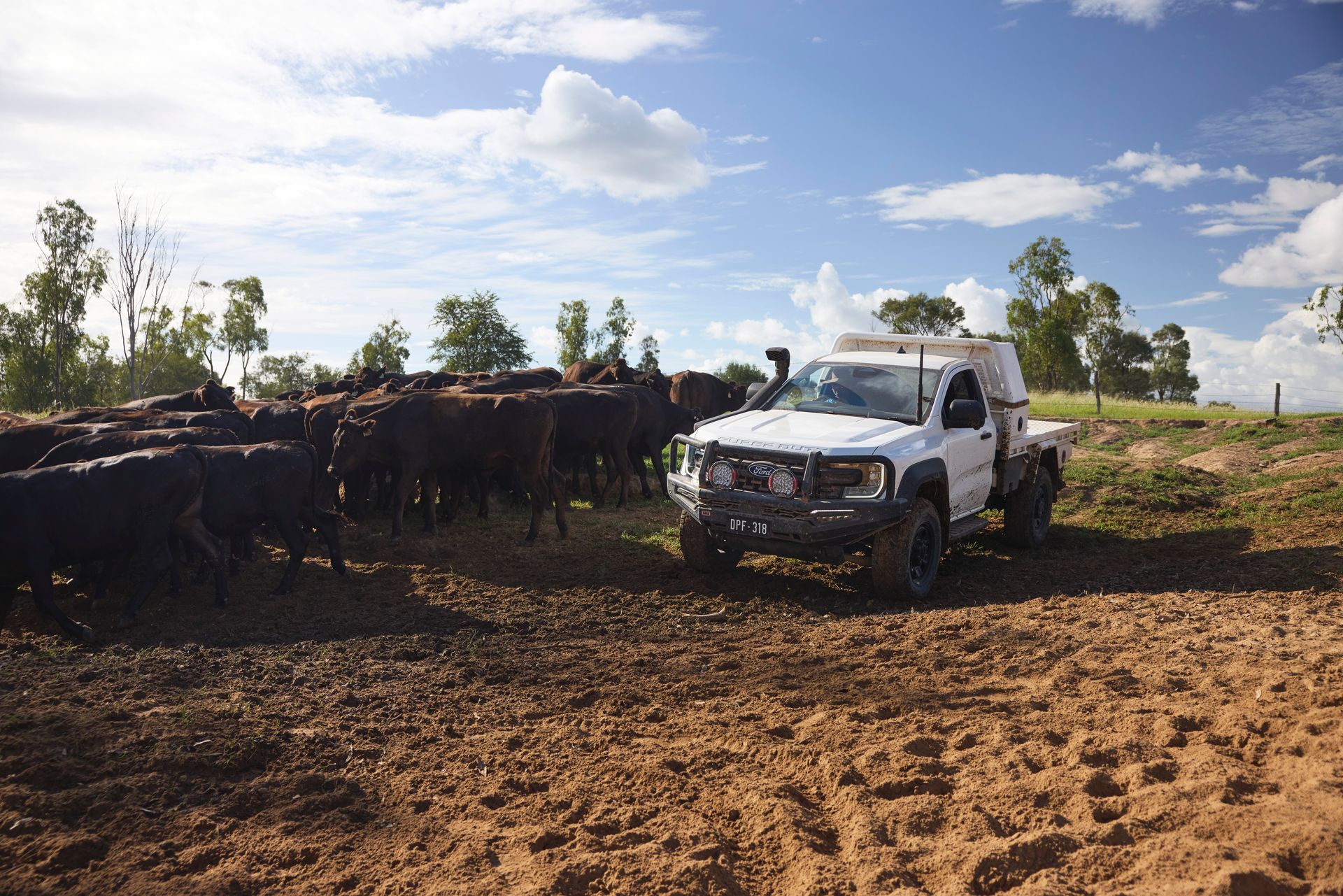
After four years of customer research and 500,000 test kilometres, Ford says the Ranger Super Duty brings farmer-driven customisation into the factory, with more towing, payload, and durability built in.